alcohol-free liquor
Understanding the importance of alcohol-free Spirits
It’s a transformational time packed with anticipation and excitement. It’s also the time when the mothers-to-be focus on their health and well-being more than ever. One important aspect to ensuring good health during pregnancy is to limit drinking alcohol. Alcohol and pregnancy do not blend, since even small amounts of alcohol can pose risks for the developing fetus. But, that does not mean that you must avoid the pleasure of taking a sips of a beautiful drink or enjoying the social aspect of having drinks with your family and friends.
The trend is rising for alcohol-free options.
In recent times, there has been a dramatic shift in the way we think about alcohol. Many individuals, pregnant or not, are choosing alcohol-free alternatives based on a variety of motives. It could be for health-conscious reasons, designated drivers, or those who prefer to not drink at all, consumers are clamoring for alcohol free drinks and spirits has been increasing. This increasing demand has led to the development of many alcohol-free alternatives that cater to the preferences and tastes of everyone, including expecting mothers.
The necessity for safe and wholesome alternatives to Pregnancy
Pregnancy can be a period of intense cravings. sometimes, that includes cravings for drinks that are refreshing and delicious. The great thing is that you don’t need to compromise your health or the health of your infant to enjoy a delightful beverage. Alcohol-free spirits have become a game changer in this regard as they offer a safe, enjoyable, and sophisticated alternative to traditional alcohol drinks.
The alcohol-free spirits are created to imitate the flavor of aroma, flavor, and sophistication of alcohol-based counterparts, as well as avoiding the harmful effects of alcohol. They provide a plethora of possibilities for expecting mothers looking to indulge in delight in sipping on a finely crafted drink without the associated risks.
In the following sections that follow, we’ll go deep into the many benefits of alcohol-free spirits that are suitable for pregnant women. From health benefits to safe socializing, and locating the best product as well as how these alternatives will make your pregnancy not only safe, but enjoyable. Let’s first look at the health benefits of going to drink alcohol-free during pregnancy.
Keywords that are bold: Alcohol-Free Spirits, Pregnancy and Health Benefits
ITALIC Keywords Options that don’t require alcohol relaxing alternative, secure socializing
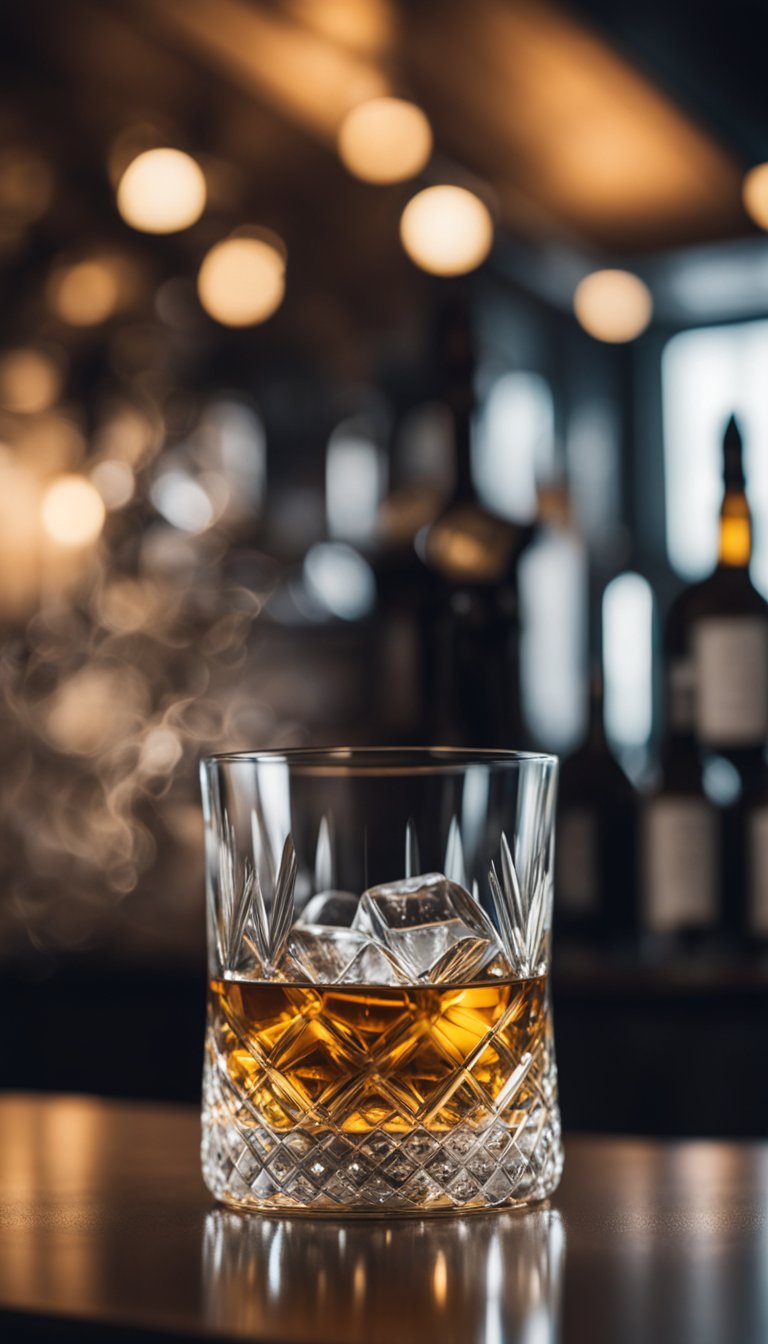
The World of Alcohol-Free Spirits
Now that we’ve established the importance of alcohol-free spirit during pregnancy, let’s dive deeper into the world of these exciting and new drinks. Understanding the scope of alcohol-free spirits is essential for pregnant women seeking an uninvolved and secure alternative to traditional alcohol drinks.
There are a myriad of options
The first thing to notice as you explore the world alcohol-free spirits is the huge selection of options. The industry has recognized the demand for these products and been able to respond with innovation and enthusiasm. As a result, you’ll come across a myriad of alcohol-free spirits. Each one has distinctive flavor profile and unique characteristics.
From gin made without alcohol that captures the essence of the plant to alcohol-free whiskey that recreates the warmth of aged spirits aged in oak, there’s something for everyone. They are made by hand, using botanicals in combination with spices, herbs and the most innovative distillation methods to create the same flavor, aroma and the complexity in traditional spirits.
Quality and Taste
There is a common misconception that alcohol-free spirits aren’t as rich and quality of their alcohol-based counterparts. But this is far from the truth. Spirits that are alcohol-free are crafted using the highest quality, and often making use of premium ingredients, in order to give you a tasting experience that rivals traditional alcoholic beverages.
When you’re choosing alcohol-free spirits think about your taste preferences. Do you like the freshness of classic gin and tonic, or do you lean to smokey notes from whiskey? Are you a fan botanical and herbal ingredients or do you prefer a hint of citrus? Knowing your preferences will assist you in exploring the diverse selection of choices available and discover the alcohol-free spirits that match your preferences.
Checking Labels and Ingredients
As with any food or drink, it’s important to check the labels and be aware of the ingredients used for alcohol-free spirit. While they’re generally safe for pregnant women however, you should be aware of any allergies or ingredients that may affect your health. Choose products made with natural ingredients and avoid products with artificial additives or excessive sugars.
Frequently Answered Questions
Q1 Do alcohol-free spirits are completely unalcohol-free? A1: Yes alcohol-free spirits are free of alcohol, so they are safe for pregnant women and designated drivers.
Q2 Do I have the ability to mix alcohol-free spirits in cocktail drinks? A2: Absolutely! Spirits that are alcohol free can be used as a base to make mocktails, or mixed with other non-alcoholic ingredients to make refreshing drinks.
Q3 Where can I get Spirits that are alcohol-free? A3: You can find alcohol-free spirits at most liquor stores, additionally, online retailers. Make sure you read the product’s details and reviews before making a purchase.
In the next part this week, we’ll be discussing some of the health benefits of consuming alcohol-free spirits during pregnancy. Not only are these drinks a safe alternative, but they also offer unique advantages for pregnant women. Let’s examine this topic more deeply.
keywords that stand out: ALCOHOL-FREE Spirits, Variety and Taste, reading labels
Italic Keywords: flavor preferences, natural ingredients, versatile
Bulk Buying, Direct Benefits: Order Your Alcohol-Free Spirits from Swedish Distillers!
The Health Benefits of Choosing alcohol-free drinks during pregnancy
Now that we’ve explored the world of alcohol-free spirits and have learned how to make informed choices then it’s time we explore the health benefits of opting for these delicious drinks during pregnancy. A lot of expectant mothers are turning to alcohol-free spirits, not just for their safety but also because of the advantages they offer. Let’s find out these benefits.
1. Zero Alcohol, Zero Risk
The biggest benefit of alcohol-free liquors for women during pregnancy is right in the name: “alcohol-free.” Traditional alcohol beverages pose inherent dangers during pregnancy, since even moderate consumption of alcohol can cause harm to the developing fetus. With alcohol-free spirits, you can enjoy the taste and experience of a cocktail without placing yourself or your infant to the potential dangers associated with alcohol.
2. Staying hydrated
Women who are pregnant are advised to drink plenty of water to help support the body’s blood supply and ensure the overall health of both the mother and baby. Alcohol-free spirits are a great way to enjoy flavorful beverages while maintaining your water levels. It is possible to make alcohol-free cocktails that make use of fresh fruit juices herbal infusions and sparkling water to keep well-hydrated and refreshed.
3. Nutrient-Rich Ingredients
A lot of alcohol-free spirits are made using a variety botanicals, herbs, and spices with distinct flavors and possible health benefits. For example, some alcohol-free brands contain juniper and berry that are rich in antioxidants. These antioxidants may help protect cells from oxidative stress, promoting general health during pregnancy.
4. Digestive Comfort
A pregnancy can bring about digestive issues due to hormonal changes, as well as the growing baby’s weight on the organs of the body. Alcohol-free spirits, specifically ones that contain botanical and herbal elements, may offer soothing effects for the digestive system. Ingredients such as mint, ginger and chamomile are well-known as a remedy for indigestion and nausea.
5. Social Enjoyment
It doesn’t mean that you’re forced to skip parties and gatherings. Spirits that are alcohol-free allow you to participate in toasts and celebrations and still not feel deprived. You can gather with your friends and relatives in raising a glass to enjoy the atmosphere and rejoicing over special moments.
Frequently asked questions
Q1 Does it allow me to consume spirit that is alcohol-free during my entire pregnancies? A1: Alcohol-free spirits are safe to consume during pregnancy. But, you should always consult your healthcare professional for personalized guidance.
Q2 What are the most well-known cocktail recipes that do not contain alcohol for pregnant females? A2: Cocktails such as Virgin Mojito, Alcohol-Free Bellini, or Alcohol-Free Pina Colada can be wonderful options. Try different combinations to find your favourites.
Q3 What are the spirits made of alcohol that are suitable for women who are pregnant? A3: While the majority of alcohol-free spirit are safe for consumption, it’s important to study the labels and be aware of any ingredients which might not meet your requirements. Avoid products that contain artificial components or high levels of sugar.
As we’ve seen, alcohol free spirits offer a variety of benefits to pregnant women, from eliminating alcohol-related risks to providing potential benefits to health due to the nutrient-rich ingredients. In our next article we’ll go over some popular cocktails made without alcohol that are designed for expectant mothers. These delicious drinks will add some elegance and flavor to your pregnancy journey.
The Bold Keywords are: Absence of alcohol Drinking water, Nutrient-rich Ingredients
Italic keywords: gastric discomfort events with friends, potential health benefits
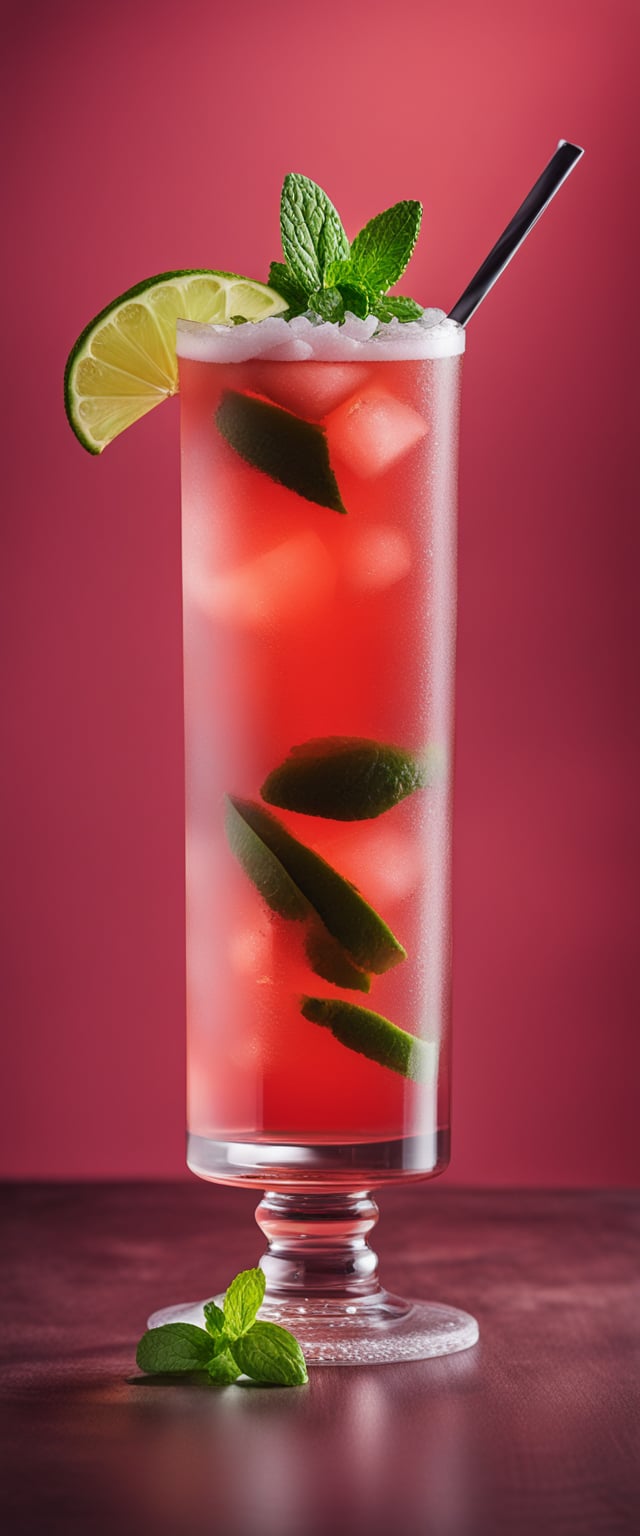
Exploring Alcohol-Free Spirits A World of Flavors and Possibilities
In our continuing journey into the realm of alcohol-free spirits, it is at a unique juncture where flavors creative, ingenuity, and innovation intersect. This is how the art of making alcohol-free spirits really shines providing a multitude possibilities for those who are looking for a delightful and sophisticated drink without alcohol. Through this segment, we will look into the myriad of worlds of alcohol-free spirit tastes and explore the possibilities they provide to your table.
1. A. The Craft of Flavor
Making alcohol-free spirits is a intricate process where skilled artisans mix herb, spices, botanicals, and other natural ingredients to create a unique and captivating flavor profile. Each brand or product has its own distinctive flavor profile making for a wide range of tastes to discover. From the earthy hints of juniper in alcohol-free spirits to the fiery spice of chili in alcohol-free Tequila. There’s a plethora of taste waiting to be appreciated.
1.1. Alcohol-Free Gins
Gins without alcohol are well-known due to their complex and distinctive flavor. These spirits often feature botanicals like juniper and coriander, citrus peels, and angelica root. Alcohol’s absence doesn’t alter the delicate balance between these ingredients. They provide something gin-like that’s appealing and sophisticated.
1.2. Alcohol-Free Whiskies
For those who love the depth and warmth of whiskey alcohol-free whiskey options provide flavorful and smoky characteristics. They are crafted using caramel, oak, and spice, these whiskies let consumers to appreciate the essence of whiskey but without alcohol content.
1.3. Alcohol-Free Rums
Alcohol-free rums bring out the tropical beauty of the Caribbean with the flavors of sugarcane, vanilla, along with exotic spices. In the event of drinking straight or mixing in a fruity mocktail they convey the essence of an unforgettable sun-soaked holiday.
2. Mixology Magic
One of the joys of non-alcoholic spirits is their flexibility in mixology. Crafty mixologists and home bartenders alike can make a variety of alcohol-free cocktails to cater to any taste. From classic mojitos that are virgin to exciting alcohol-free versions of famous cocktails like the alcohol-free piA+-acolada, the possibilities are limitless.
3. A Healthier Choice
Beyond their delicious flavours, alcohol-free spirits offer the option of a healthier alternative for those who wish to enjoy drinking without the negative consequences of drinking alcohol. They’re typically lower in calories and won’t cause the dehydrating effects of alcohol.
4. Frequently Asked Questions
Q1 Do alcohol-free spirits can be used for cooking and baking? A1: Absolutely! Alcohol-free spirits can provide flavour and depth to a variety of recipes including marinades, desserts and even desserts. Be mindful of levels of alcohol in certain foods especially if you’re cooking meals for people who need to avoid even small amounts of alcohol.
Q2 Do alcohol-free spirits possess similar alcohol flavors to their alcohol-based companions? A2: Alcohol-free spirits try to imitate the flavor of alcohol-based counterparts, but lacking the alcohol “burn.” They do capture the essence of the original in alcohol-free spirits, their lack of alcohol offers a different experience.
Q3 Do alcohol-free spirits work for those with diet restrictions? A3: A majority of alcohol-free spirits are vegan, gluten-free and free of allergens that are common to all. However, always check product labels to make sure they are in line with your personal dietary preferences.
5. Explore the Uncharted Territory
After we have completed our exploration through the land of non-alcoholic spirits, we encourage you to go deeper into the unknown realm of flavor and options. In our next section we’ll weave everything together by focusing on the practical aspects of selecting alcohol-free liquors and give advice on how to make the maximum enjoyment of your alcohol-free spirits experience.
Bold Keywords: How to Craft of Flavor Mixology Magic Better Health Choice
Italic Keywords: delicate balance flexible mixology, dietary restrictions
Navigating the World of Alcohol-Free Spirits The Ultimate Guide
We’re pleased to announce the conclusion of our journey through the world of spirits that are alcohol-free. We’ve embarked upon an exciting adventure that explores the art of flavor, the magic of mixology, and better choices that alcohol-free spirits. In this final piece we’ll weave everything together and give you a complete information on how to make the most out of your alcohol-free experience.
1. Practical Ideas
Before you venture into in the world of alcohol-free liquor, there are some practical aspects to think about:
-
Selecting a Product: Spend the time to look at different brands and products. Each one has its own taste profiling, and you may be able to identify certain ones that will appeal to your liking.
-
Read the label: Be attentive to product labels, especially when you have dietary restrictions or are allergic. Certain spirits that are alcohol-free may contain allergens, so it’s essential to know the ingredients.
-
Distribution: While alcohol-free spirits are becoming more popular they are also available depending on the location. Find local liquor stores or online retailers to locate the best choices for you.
-
Mixers and ingredients: Be sure to stock up on mixers, fresh herbs, fruits and other items needed to make alcohol-free drinks. An adequately-stocked bar will ensure that you’re ready to be creative.
2. Mixology Masterclass
Now that you’ve selected your alcohol-free spirits as well as gathered the ingredients It’s time for a mixology class. Here are some tips to increase the quality of your alcohol-free cocktail game:
-
Balance is essential: Just like with cocktail mixes, getting the right taste balance is critical. Explore different ratios for mixers, spirits and garnishes until come up with the perfect mix.
-
Use garnish with Gusto: Don’t underestimate the effect of garnishes. Fresh herbs, citrus twists or even edible flowers can take your alcohol-free cocktails to beyond.
-
Glassware is Important: The glass you select will impact your drinking experience. Select a glassware option that compliments the drink, whether it’s traditional martini glasses or tall Collins glass.
-
temperature and dilution: Be aware of temperature and the degree of dilution. Certain cocktails are best served chilled however others should be served chilled without dilution.
3. You can enjoy the healthier choice
One of the most significant advantages of alcohol-free spirits is their health-related benefits. Here’s a quick explanation of the reasons they’re healthier option:
-
Reduced Calorie Intake: Alcohol-free spirits are typically less calorific compared to their counterparts that contain alcohol. This is especially appealing particularly if you’re trying to limit your calories consumption.
-
No hangovers When you’re not drinking you won’t have hangovers to deal with. You can drink your drinking alcohol-free drinks without regret.
-
Hydration: It is dehydrating to drink alcohol however alcohol-free spirits won’t take away your body’s essential fluids. This will help you stay more hydrated.
4. To conclude: A toast to Your Alcohol-Free Journey
When we pour our glasses and sip exquisitely crafted alcohol-free cocktails let’s toast to the fabulous voyage we’ve made through the world of spirits that are alcohol-free. We’ve explored flavor, mixology and the health-conscious selection that alcohol-free spirits can offer.
With this complete guide at hand, you’ll be fully prepared to experience the delights of alcohol-free spirits, create delightful cocktails, and enjoy an improved and healthier drinking experience. No matter if you’re looking to find a refreshing alternative or simply interested in exploring new avenues, alcohol-free spirits offer many possibilities.
After we have concluded our series on alcohol-free spirits we invite you to explore to experiment and discover your favorite flavors. From us all we wish you continued delight in the vibrant and exciting world of spirits that are alcohol-free!
Keywords that are bold: Practical Considerations, Mixology Masterclass Affirming the Healthier Option
italic keyword: dietary restrictions, the consumption of alcohol-free beverages, and a health-conscious selection
5. We’ve reviewed our alcohol-free Journey
Throughout this series, we’ve embarked on a journey that’s let us discover the wonderful benefits of alcohol-free spirits. We’ll review the main lessons from each piece:
-
1. The Art of Flavor: Explored the meticulous process of crafting alcohol-free spirits, from gin’s botanical complexity to whiskey’s sweet smoky warmth.
-
Section 2: Mixology Wonder: Discover the art of mixing with alcohol-free spirits. Learn how to create a world of tantalizing mocktails.
-
Article 3: A Healthy Choice: Discussed the health advantages of choosing spirits that are alcohol-free, such as reduced calories, and no hangovers.
-
Article 4: Exploring the Uncharted Territory: Dived into the many ways to use alcohol-free spirits for cooking and gave insights into their potential to cater for the dietary restrictions.
-
Article 5: The World of Alcohol-Free Spirits: In this article, we’ve brought everything together. We offer practical tips, mixology guidance as well as a celebration of the healthier options alcohol-free spirits give you.
With this overview, you’re now prepared to embark on your personal adventure into the world of spirits that are alcohol-free
Understanding EU Regulations on Non-Alcoholic Beverages This is the must-read guide for Conformity
In the world of food and drinks, compliance with regulations is not just necessary for legal reasons, but it is an essential component of consumer confidence and safety. In the European Union (EU), recognized for its strict regulations put a lot of emphasis on ensuring non-alcoholic beverages are of the highest standards of safety and quality. This article, the very first in our series of articles, aims to dissect the complexities of EU rules governing alcohol-free beverages.
understanding the EU Framework
The Overview EU Regulatory Body
The underlying principle of EU rules for non-alcoholic drinks are several key regulatory bodies with each one playing an important function in ensuring that the products available on the market are and are safe to consumers.
1. It is the European Commission: Often considered the executive branch of the EU and the European Commission takes charge of proposing legislation as well as implementing its decisions. When it comes to rules governing food and drink, the Commission plays a crucial role in establishing the guidelines within which alcohol-free drinks are allowed to function.
2. EFSA (European Food Safety Authority) ):> This non-profit agency provides advice from a scientific perspective on food and feed safety to the EU institutions. The expertise of EFSA is vital in reviewing the safety of ingredients and additives used in non-alcoholic drinks.
3. National Authorities: In addition to EU-wide regulations, individual member states might have their own specific regulations. National authorities oversee compliance to EU regulations at the local level.
Legal Framework
Understanding EU regulations on non-alcoholic beverages will require a knowledge of the legal framework governing the rules. The EU employs two main types of legislation which include directives and regulations.
EU Regulations: These are directly applicable in all EU member countries and do not require separate national laws. When an EU regulation is enacted by the EU, it becomes lawful in all member states simultaneously.
EU Directives: Directives, on the other hand, set out the goals that members states have to meet. Then it is up to each state member to adopt the law of its country in order to conform with the directive.
The interaction between EU regulations and the laws of member states can occasionally be confusing, which requires businesses to navigate all-encompassing EU rules and their specific country-specific laws.
Understanding the rules and regulations will become the first step in making sure you’re in compliance with EU regulations on non-alcoholic beverages.
In the next section, we’ll look at specific aspects of EU regulations, particularly labels and ingredient requirements, that are vital to companies operating in the beverages industry.
Keep following us to learn about the intricacies of labeling and ingredient regulation in the EU for non-alcoholic drinks.

Navigation EU Regulations: Labeling and Ingredient Requirements in Non-Alcoholic Beverages
In the previous article we set out on a tour to discover the intricate web of EU rules governing alcohol-free beverages. We’ll now dive into the specifics. We will be focusing on the labeling and ingredient requirementsaEUR”a critical area of compliance for those working within the beverage industry.
Guideline for Labeling
Clarity and Transparency
EU regulations are meticulous when it comes time to label non-alcoholic drinks. The primary goal is to ensure that consumers receive truthful and accurate information on the products they purchase. These are the major aspects of labeling guidelines:
1. Name of the beverage The name should clearly indicate the nature of the product. Misleading names that could confuse consumers are prohibited.
2. Ingredients List for Non-alcoholic Drinks: Non-alcoholic drinks must provide a list of ingredients which list the ingredients in order of weight, descending.
3. An Allergen Factor: If a beverage includes any of 14 allergens listed by EU regulations (e.g., nuts, milk, gluten) the allergens should be clearly indicated in the ingredients list.
4. Net Quantity: The quantity of the beverage must be expressed in liters milliliters or centiliters. It can also be stated in kilograms grams, milligrams, or liters or milligrams, based on the particular product.
5. Best Before/Use-By Dates: Non-alcoholic beverages with shelf life of less than 18 months should be accompanied by an “use by” date. Those with a longer shelf time should have an “best ahead of” date.
Nutrition Declaration
In recent years, EU regulations have made it obligatory for non-alcoholic drinks to supply nutrition information per 100ml of the product. This includes information about energy value and the amounts of fat, saturateds, carbohydrates, sugars proteins, salt, and fat.
Ingredient Requirements
Use of Additives
EU regulations strictly control the inclusion of additives in non-alcoholic drinks. Additives need to be legal as safe for consumption and used to serve a specific purpose (e.g., colorsants, preservatives).
Natural Mineral Waters
for beverages that are marketed as “natural mineral water,” EU regulations are particularly strenuous. These waters must originate from approved sources and fulfill specific requirements for mineral content as well as purity.
Fruit Juices and Nectars
If a non-alcoholic drink contains nectars or juices of fruit, it must adhere to the established standard for the amount of fruit in it. For instance, fruit nectars must contain at a minimum of 25 percent or more of fruit.
Sweeteners
The use of sweeteners is regulated to ensure safety and protect consumers’ rights. Labels should clearly disclose if sweeteners are used.
What’s Next?
As we’ve observed, EU regulations on labeling and ingredient requirements for non-alcoholic beverages are extensive and designed to safeguard consumer interests. Becoming familiar with and adhering to these regulations is crucial for businesses in this industry.
In the next chapter we’ll dive into quality and safety standards, exploring how EU rules ensure non-alcoholic drinks meet the highest standards of quality. Join us on this journey to decode the complexity of EU regulations further.
Keep following us as we unravel the world of safety and quality standards that are set by EU regulations for non-alcoholic beverages.
Direct Deals for Discerning Businesses: Swedish Distillers Offers Premium Alcohol-Free Spirits!
Health and safety standards: ensuring top-of-the-line non-alcoholic beverages throughout the EU
In our quest through the maze of EU regulations concerning non-alcoholic beverages we’ve found crucial information regarding labeling and requirements for ingredients. Now, let’s continue our exploration by delving into the world of quality and safety standardsaEUR”critical aspects that uphold the integrity of these beverages in the European market.
Quality Standards
Water Quality
Water is the major ingredient in several non-alcoholic drinks The quality of the water used in beverages is crucial. EU laws require that the any water used in beverage production must meet stringent quality standards. This ensures that the water’s origin, treatment, and transportation do not compromise the beverage’s safety or taste.
Natural Mineral Waters
For drinks that are labeled “natural mineral water,” EU regulations are particularly stringent. The water must be sourced from recognized sources and meet high standards for mineral quality and content. Natural mineral waters are recognized for their pure quality and unique mineral composition. This makes them an invaluable asset to the non-alcoholic beverage industry.
Fruit Juice Purity
For drinks that contain fruit juices, the EU enforces specific fruit content guidelines. For instance, nectars made from fruit need to have a minimum amount of fruits to ensure the quality and authenticity of the drink.
Hygiene & Production
Infection prevention and hygiene at every step of the production process is crucial. EU regulations mandate that all manufacturing facilities adhere to strict safety and hygiene standards to prevent contamination and ensure product safety.
Safety Standards
Microbiological Criteria
Microbiological protection is a crucial part of the non-alcoholic beverage industry. EU regulations provide microbiological guidelines to ensure that beverages are free of harmful microorganisms posing consumer health risks.
Contaminant Limits
To safeguard the health of consumers, EU regulations define maximum levels for different contaminants found in non-alcoholic beverages. These contaminants include mycotoxins, heavy metals and residues of pesticides. Specific monitoring and testing processes are in place to ensure that the environment is in compliance with these limits.
Additive Safety
In non-alcoholic beverages, additives must be rigorously assessed to ensure their safety. EU regulations require comprehensive tests of scientific research and risk assessment prior to approval of any additives for use. This ensures that consumers are not at risk of being exposed to risks that are not necessary.
The Role of Quality Control
Quality control plays an essential responsibility in ensuring non-alcoholic drinks are in compliance with the highest standards of safety and quality. Manufacturers are accountable for the implementation of rigorous quality control procedures, from the time they source raw materials up to the end of the production process.
What’s In Store for You?
Safety and quality standards are the pillars upon which the popularity of non-alcoholic beverages is built in the EU market. In the next section we’ll look into the complex world of marketing and packaging regulations, shedding light on how these aspects contribute to the overall environment of compliance.
Stay tuned to see how we can enter the world of marketing and packaging rules, the most important elements of EU compliance with non-alcoholic drinks.

Marketing and Packaging in the EU: Navigating EU Regulations for Non-Alcoholic Beverages
As we continue our journey through the intricacies of EU regulations governing non-alcoholic beverages, we find ourselves at a crossroadsaEUR”packaging and marketing. These aspects are vital not just for compliance but also for capturing the attention of the consumers in a highly competitive market. Let’s explore the world of marketing and packaging regulations in the European Union.
Package Regulations
Material Safety
The EU is determined to ensure that the substances used in beverage packaging do not contaminate the contents. Manufacturers are required to adhere to strict standards for substances like glass, plastics and even metals. This ensures that the packaging doesn’t alter the taste or composition of the drink.
recycling and sustainable
Environmental sustainability is a growing concern, and the EU favors environmentally sustainable packaging solutions. Regulations aim to minimize production of waste and promote recycling. This is done by making targets for the use of recyclable materials, as well as reduction of packaging waste.
Labeling and Presentation
Labeling is one of the most important aspects of packaging. EU regulations require specific and precise information on the label, including the brand name, ingredients along with nutritional information and allergen declarations. These labels help consumers make informed choices and ensure transparency.
Marketing Regulations
True Advertising
Non-alcoholic drinks that are promoted in the EU must adhere to principles of honesty and accuracy. Advertising claims including health claims or benefits from ingredients, must be supported by scientific proof.
Protecting Minors
Given the potential appeal of non-alcoholic drinks to minors marketing efforts should avoid targeting this demographic. The EU establishes strict regulations for advertising that can encourage underage consumption.
Alcohol Imitation
Non-alcoholic beverages shouldn’t resemble the appearance or packaging of alcoholic beverages. This reduces confusion among consumers and ensures the marketing of these beverages remains clear and transparent.
Challenges and Innovations
Understanding the rules for packaging and marketing can be a challenge, but there are also opportunities for innovation. Numerous companies are turning to sustainable packaging products that correspond with regulatory requirements as well as consumer demand for environmentally friendly choices. Innovative marketing strategies that place emphasis on the benefits of health and distinct flavor profiles are growing in popularity on an EU market.
What’s Next?
Our research into EU regulations for non-alcoholic beverages should not be completed without addressing one of the most important aspects of ensuring compliance with these regulations. In the next section, we’ll dig into the strategies and guidelines that can help businesses make sure that they comply with the European Union’s strict standards.
Stay tuned as we reveal the secret to complying with EU laws for alcohol-free drinks.
Navigating EU Regulations for Non-Alcoholic Beverages: A Comprehensive Guide
You’re invited to read the fifth final part of the comprehensive manual on understanding EU regulations regarding non-alcoholic beverages. Through this series, you’ll have been exploring the intricacy of regulations that govern the production in the areas of labeling, safety and promotion of non-alcoholic drinks within the European Union. In this article that concludes the series, we’ll provide a recap of the most important points from each section, and offer concluding thoughts about the challenges as well as opportunities in this highly restricted sector.
Summary of Our Journey
Part 1: Production Standards
In the initial article, we explored the production standards which are set by EU for non-alcoholic beverages. Important takeaways include:
- Strict hygiene and safety standards for production premises.
- Guidelines for ingredient selection as well as quality.
- The importance of complying with maximum residue levels for chemicals and pesticides.
- The importance of adhering the Good Manufacturing Practices (GMP) is essential.
Section 2 2. Labeling and Nutritional Information
In our last article, we spoke about the importance correct labeling and nutritional information. Highlights include:
- Accurate and clear labeling requirements which include ingredient lists, information on nutrition, as well as allergen declarations.
- The importance of honesty in advertising and the need for credible scientific evidence to support claims.
- The prohibition of misleading consumers through false representations.
Section 3: Safety and Quality Assurance
The third article in our series was dedicated to safety as well as quality assurance. Key points covered:
- The strictest safety standards are in place to prevent contamination and ensure the safety and security of non-alcoholic drinks.
- The importance of Hazard Analysis and Critical Control Points (HACCP) in protecting food safety.
- Monitoring and traceability in order to swiftly find and resolve safety concerns.
Section 4: Marketing and Packaging
In the fourth piece we reviewed regulations related to packaging and marketing:
- Standards for the safety of packaging materials to avoid contamination.
- Insist on recycling and sustainability in packaging.
- Guidelines to ensure the truthfulness of advertising, protection of minors, as well as the prevention of alcohol imitation.
Opportunities and Challenges
In the final stages of our exploration through EU rules for non-alcoholic drinks, it’s clear that this industry has its own challenges as well as opportunities. The difficulty is navigating the maze of regulations that requires compliance, as well as satisfying the growing demands of consumers for eco-friendly and sustainable choices.
However, there are plenty of chances for companies to respond to these difficulties:
-
Innovation: Developing eco-friendly packaging and marketing strategies that highlight health benefits may set you above the rest in the marketplace.
-
Transparency: Being in compliance with labeling regulations and regulations governing advertising does not only guarantee compliance but also boosts consumer confidence.
-
safety: Insisting on quality assurance can protect your brand’s image as well as protect the interests of your customers.
Conclusion
In this series, we’ve explored through the multifaceted world of EU regulations for non-alcoholic drinks. From quality standards to packaging as well as marketing and safety being compliant is essential to your business to succeed in the market.
While you are exploring these regulations keep in mind that they’re meant to protect consumers and ensure the highest quality standards. Adopt a culture of sustainability, innovation and openness to compete on the EU sector for non-alcoholic beverages.
Thank you for joining us on this educational journey. We hope that you’ve gained some valuable insight into the regulatory environment for non-alcoholic beverages in the EU.
A Recap of the All Articles in This Series
-
1. Production Standards
-
Section 2 Food Labeling and Nutritional Information
-
3. Safety and Quality Assurance
-
Section 4: Marketing and Packaging
Continue to make progress towards success in the world of non-alcoholic beverages Be sure to stay up-to-date on the most current EU laws.