alcohol-free Spirits
EU Regulations on Alcohol-Free Drinks: A Complete Guide
With regard to beverages the phrase “alcohol-free” is getting massive traction. Consumers are increasingly choosing non-alcoholic options for numerous reasons, including personal preference, health along with lifestyle and personal preferences. When the desire for alcohol-free beverages increases is the need for clear regulations that govern the consumption of these beverages.
Understanding the importance of EU Regulations
Why You Should Be aware
Before we go into the complex aspects of EU regulations surrounding alcohol-free drinks, it’s essential to understand why this knowledge is vital. You may be a consumer searching for products that are reliable, or a company looking for compliance In this article, we’ll explain why EU regulations on alcohol-free drinks are important:
The increasing demand for alcohol-free Beverages
Alcohol-free drinks go beyond the realm of soda and water. These days, they are various products which include alcohol-free beer, exquisite mocktails as well as spirits that are alcohol free. Because consumers want healthier and more diverse beverage options, market for these items is in a flurry.
Health and Safety Concerns
People rightfully expect that products they consume meet stringent safety and health standards. The regulations ensure that alcohol-free drinks are made, labeled and advertised in ways that focus on the consumer’s well-being. They also protect consumers from misleading claims, and shield those who should avoid alcohol for health reasons.
In the industry, there is a need for growth and innovation. Growth and Innovation
The alcohol-free drinks industry is growing quickly, with innovation that challenges the traditional norms. Producers are coming up with unique flavors and textures that mimic alcoholic counterparts. To support this industry’s growth and maintain consumer trust, comprehensive regulations are essential.
After you’ve understood the significance of EU regulations governing alcohol-free drinks let’s explore the key rules that regulate these drinks in our next section.
H2: Essential EU Regulations for Alcohol-Free Drinks
In the following section, we will delve into the heart of the matter, breaking down the crucial regulations that define the world of alcohol-free beverages within the European Union. From the permitted maximum amount of alcohol to labeling regulations, we’ll decipher the rules that producers, distributors, and consumers should be aware of.
Maximizing Safety and Consumer Confidence
As we embark on this legal journey, take note this: these regulations aren’t only red tape to be imposed by bureaucrats. They play a crucial role in ensuring that alcohol-free drinks conform to specific quality standards. They also provide clear and accurate information to customers and provide the creation of a healthier and safer drink landscape.
Now, let’s explore the intricate details of EU regulations on alcohol-free drinks to the section below.
[Next step: Section 2: Key EU Regulations for Alcohol-Free Drinks“
Step Ahead with Direct Bulk Orders: Swedish Distillers’ Alcohol-Free Spirits for Your Business!
The key EU Regulations for Alcohol-Free Drinks
In our endeavor to learn more about the world of alcohol-free beverages that are legal in the European Union, we now explore the depths of it all: matteraEUR”the regulations. They are the foundation guaranteeing that alcohol-free drinks are safe, transparent as well as meet strict standard of quality. We’re about to embark on a regulatory journey to break down crucial EU laws governing alcohol-free drinks.
Maximum Permitted Alcohol Content
Why it is Important
The very definition of “alcohol-free” is based on the alcohol content that is permissible. In the EU it is mandatory for a beverage to be classified as “alcohol-free,” it must contain less than 0.5 percent the volumetric amount of alcohol (ABV). This threshold is essential for safety and security of the consumer, especially those who are trying to cut out alcohol completely, in order to avoid health issues, dietary,, or other personal reason.
Prerequisites for labeling
Klarity, and Transparency
EU regulations stipulate that the labels for alcohol-free drinks should clearly mention their alcohol content. This isn’t just an issue of transparency, but also vital for consumers who are relying on this information. The label should clearly have the “alcohol-free” design and the exact ABV making sure that consumers are able to make informed choices.
Substances, Additives and Ingredients
Quality and Pure
In order to ensure the quality and quality of alcohol-free beverages, EU regulations set out strict requirements for ingredients and additives. These regulations ensure you only the approved ingredients are utilized in the manufacturing of these beverages. The emphasis is on keeping integrity of the product whether it’s a non-alcoholic wine, beer, or spirits.
Health Claims and Advertising
Avoiding false claims
EU regulations also regulate the use of health claims in advertising and marketing for alcohol-free drinks. This is in order to stop misinformation that could lead to false perceptions of the health benefits of consuming such beverages. Producers must abide by guidelines to ensure honesty and accuracy with regards to their advertising.
High Quality Standards and Safety Inspections
Quality Control and Quality Control
Another crucial aspect of EU regulations is the monitoring of quality standards, as well as safety examinations. Producers are required by law to conduct rigorous testing and quality control actions to ensure that alcohol-free drinks meet established standards. This involves hygiene, microbiological protection and overall quality of the product.
In compliance with the law and Certification
After having a better understanding of the most important EU rules for alcohol-free beverages If you’re curious about how distributors or producers can guarantee compliance with these regulations. The practice of certification and compliance is an essential part of selling these products while still adhering to EU regulations.
H2: Finding Compliance
It can be a daunting task, however it is crucial for distributors and manufacturers to ensure that their alcohol-free products meet EU standards. The following are the main steps to follow in the compliance process:
Testing and Analyzing
Producers must carry out thorough testing and analysis of their alcohol-free beverages to ensure that they meet the defined criteria. This includes alcohol content verification as well as testing of ingredients and evaluations of quality.
Documentation and Record-Keeping
A thorough documentation is an essential element of compliance. Producers are required to keep records of testing, ingredient sourcing as well as production processes. These records serve as evidence of compliance. They are also checked by authorities in charge of regulatory oversight.
Working with Regulatory Authorities
Producers and distributors usually collaborate with regulatory authorities so that compliance is maintained. This involves getting the required permits and certifications. This depend on the specific alcohol-free type of drink.
Common Challenges and how to overcome them
Compliance can pose a challenge particularly for small-scale producers as well as those who are relatively new to the business. Common obstacles include navigating legal complexities, managing testing costs, and keeping updated with the latest regulations. The need for expert guidance and keeping up to date with updates on regulations are vital strategies for overcoming these obstacles.
In our next chapter we’ll look into the effects of these regulations on the consumer who are making informed choices on alcohol-free drink choices.
[Next step: Section 3: The impact on consumers“

Implications on Consumers: Navigating EU Regulations on Alcohol-Free Drinks
As we continue our journey through the realm of alcohol-free drinks and the regulations that govern them in the European Union, we come to a pivotal point of considerationaEUR”the impact of these regulations on consumers. It’s crucial that consumers understand how these regulations affect their choices and rights with regards when it comes to drinking alcohol-free.
Why Should Consumers Be Concerned About EU Regulations on Alcohol-Free Drinks?
Before getting into the specifics before tackling the specifics, it’s essential to answer this fundamental question: Why consumers need to be concerned about EU regulations on alcohol-free drinks? Here are the top reasons:
-
Security and Trust: Consumers deserve to have safe and reliable products. Regulations ensure that drinks without alcohol meet strict safety and quality standards, thus reducing the risk of health concerns or misrepresentation.
-
informed choices: They empower people to take educated choices. By understanding labeling requirements and statements about health, people can confidently make choices that are in line with their dietary preferences and preferences.
-
Protecting against misleading claims: Regulations safeguard against fraudulent health claims and advertising protecting consumers from falling victim to misleading marketing tactics.
Let’s dive a little deeper into the way EU regulations affect consumers:
Read Labels and Understanding Claims
Clearness in Labeling
One of the main ways consumers are affected by EU regulations is through product labeling. When you buy an alcohol-free drink in the EU, the label should give clear and accurate information. The following is a list of things to look for:
-
Alcohol Content: Labels must reveal the exact alcohol content typically expressed in Alcohol by Volume (ABV). This allows consumers to verify this product’s authenticity. genuinely alcohol-free, and that it meets the EU’s 0.5% ABV threshold.
-
“Alcohol-Free” Description: This label must prominently show the “alcohol-free” designation, which will ensure that the consumer can easily identify these products.
-
Listes of Ingredients Regulations require comprehensive ingredient lists, which can help consumers who have dietary restrictions or allergies make educated choices.
-
Statements on Health: Avoid claim about health benefits on labels. Regulations protect against misleading claims, which means that consumers can trust products’ health benefits are true to the information on the label.
The Reporting of Non-Compliance
Consumer Rights and Accountability
Consumers are also involved in the enforcement of EU rules on alcohol-free beverages. If a label for a product is false or you suspect violation of the regulations, you’re entitled to declare it. Reporting any violations helps to maintain the integrity of the marketplace and holds producers accountable.
Sources of Information and Resources for Consumers
In addition to reporting non-compliance In addition, consumers can consult diverse resources for advice:
-
consumer Associations: Many consumer associations monitor compliance with products and are able to provide information and assistance.
-
District Authorities: Your local or national regulatory authority for information and to file a complaint.
-
Online Communities: Engaging with online forums and communities could provide information and suggestions from other people who have the same interests as you.
Understanding how EU regulations impact consumers enables individuals to make informed choices as well as contribute to the solidity of the alcohol-free beverages market. In our next article we’ll examine the upcoming trends that will be a part of this constantly changing environment and what consumers can be expecting in the future of alcohol-free beverages.
[Next step: Section 4: Future Trends and Conclusion]
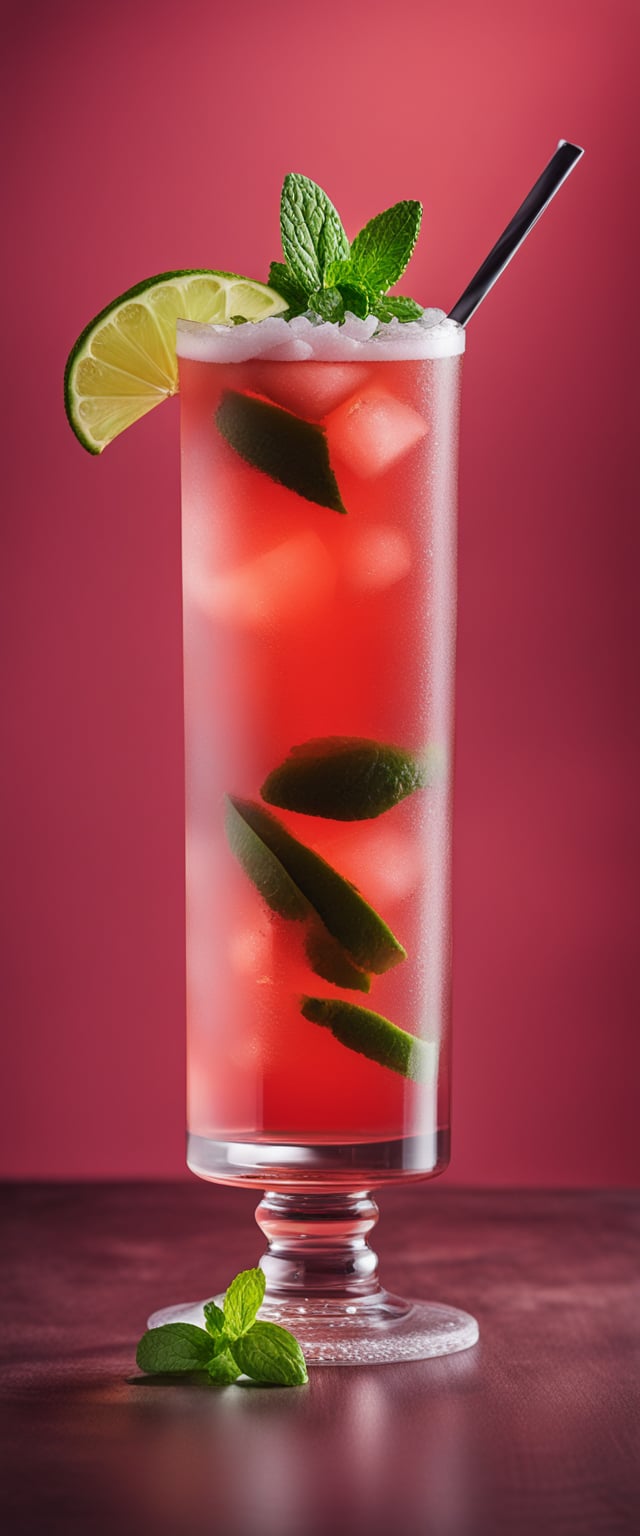
Future trends on the World of Alcohol-Free Drinks
While we go through the complexity of EU guidelines on alcohol-free drinks and their impact on consumers, it’s crucial to also take a look ahead and consider potential future developments within this rapidly changing market. The world of alcohol-free beverages is experiencing rapid growth and technological innovation as a result of changing consumption habits and health-conscious choices.
Why Future Trends Matter
Understanding future trends is not simply a matter of curiosityaEUR”it’s important for producers as well as consumers. In the case of producers, keeping ahead of the curve means meeting evolving expectations of the consumer and adjusting regulations. To consumers, this means getting access to an expanding number of innovative and healthy products.
1. Expanding Product Variety
Above the Basics
In the realm of alcohol-free beverages can no longer be restricted to conventional choices such as soda or sparkling water. Producers are continuously expanding their portfolios of products to provide customers with a diverse range of options, including:
-
Alcohol Free Beer This type of beer has evolved into more sophisticated drinks, with the aromas and flavors that like their alcohol-based counterparts.
-
Alcohol-free Wines Wines that are alcohol-free have been becoming more popular, offering customers the enjoyment and flavor of wine, but without alcohol.
-
Alcohol-Free Spirits: Mocktails and alcohol-free spirits are currently on the rising, allowing customers to taste complex flavors and cocktails, without the alcohol.
2. Innovative Ingredients and Flavors
mimicking complexity
Producers are investing in research and development to develop non-alcoholic drinks that recreate the distinctive flavors and sensations of alcohol drinks. This is a process that involves the use of botanicals, herbs and spices to create distinct profiles.
-
Botanical Infusions: Gin that is alcohol-free as well as botanical spirits incorporate various botanicals, providing unique flavor experiences.
-
Distillation techniques: Certain producers employ distillation methods that extract flavors without alcohol which results in sophisticated alcohol-free spirits.
3. Health and Wellness Focus
aligned with consumer Values
Consumer demand for healthier and more sustainable products has producers focusing on wellness and health-related aspects. This includes highlighting nutritional information, organic ingredients, and the benefits of wellness.
-
Low Calories and Sugars: A lot of alcohol-free drinks are made to be lower in calories and sugar, and cater to those who are health conscious.
-
Active Ingredients Companies are using active ingredients such as vitamins, adaptogens, and antioxidants to improve the health quality of their items.
4. Sustainable and eco-friendly practices
Meeting Environmental Concerns
Sustainability is an issue that is growing in importance and the food industry is responding by implementing environmentally-friendly methods. This includes sustainable sources of ingredients, eco-friendly packaging, as well as reducing carbon footprints.
-
Recyclable Packaging: Many companies that do not use alcohol are opting for recyclable and biodegradable packaging, in order to limit environmental impact.
-
Ethical Sourcing: Producers are increasingly transparent about where they source their ingredients, ensuring they’re in compliance with ethical and sustainable standards.
5. Information and Consumer Empowerment
Informed Choices
As the market for alcohol-free drinks evolves, consumer education becomes essential. Manufacturers have invested in tools to educate consumers about their products. This includes:
-
Online Resources: The websites and the social platforms offer information about the ingredients in products, their health benefits, and food suggestions.
-
TASTING EVENTS: Certain producers hold tasting events as well as workshops to provide consumers with the knowledge to enjoy alcohol-free drinks the fullest.
Understanding these trends allows consumers to make choices that are aligned with their own values and preferences. In our next post we’ll outline the major lessons learned and examine how the alcohol-free drink market continues to influence consumer choices and experience.
[Next: Section 5: Summary and Looking aheadThen, Section 5: Summary and Looking forward
Overview and Looking Forward Finding the EU Regulations on Alcohol-Free Drinks
In the final phase of our extensive examination of EU rules on alcohol-free drinks and their profound impact on the consumer and industry it’s crucial to summarize the main insights of every section and look towards what’s to come in this ever-changing landscape.
Section 1: Affirmation of EU Regulations
In the very first segment of our travels we explored the most fundamental aspects of EU regulations on alcohol-free drink. Here are the major takeaways:
-
EU Regulations Ensure Safety: These regulations are designed to guarantee the purity and quality of alcohol-free beverages as well as ensuring that drinkers can enjoy these products without health issues.
-
labeling clarity: The consumer can trust the clear and precise labeling to identify alcohol-free drinks and be aware of their ingredients and health claims.
-
rights of the consumer: Customers have the right to complain about non-compliance with regulations, contributing to an honest and accountable marketplace.
2. Production and Compliance
In the next section, we looked into the production and quality aspects of alcohol-free cocktails:
-
Standard of Production: Production companies are required to adhere to the strictest standards, which includes the 0.5 percent ABV limit for a classification that is alcohol-free.
-
Assessment and Certificate: The products undergo rigorous testing to determine if they meet regulations.
-
Essentiality of Compliance: Conformity with regulations is necessary to avoid penalty and keep consumer trust.
Section 3: Impact on Producers and Market
The third part of our article focused on the effects of regulations on the market and producers:
-
The market is growing: the demand for alcohol-free beverages is on the increasing due to health conscious consumers as well as innovative product offerings.
-
Innovation and Competition: Producers are continually making improvements to meet consumer needs and have resulted in a broad assortment of alcohol-free solutions.
Section 4: Future Trends
The final section we examined the future trends shaping the world of alcohol-free drinks:
-
Expanding Variety of Products: Consumers can expect an increase in the variety of alcohol-free beverages, including elegant alternatives to traditional favourites.
-
Innovations in Flavors and Ingredients: Producers are investing in replicating complex flavors, enhancing the drinking experience.
-
health and Wellness Concentration: Health-conscious consumers will find products that will meet their lifestyle preferences and the goals of their health.
Section 5″Summary and Looking Forward”
In this section, we’ve analyzed the critical insights from our exploration of EU laws on alcohol-free drinks. These insights empower both producers and consumers to navigate this evolving landscape efficiently.
As we move forward towards the future, the market for alcohol-free beverages is expected to continue growing and innovation. People can anticipate a constantly expanding array of choices that cater to their different tastes, preferences, and needs. Producers, in turn, must remain vigilant in adhering to regulations and embracing the opportunities created by this changing market.
In conclusion, knowing EU laws on alcohol-free drinks isn’t just a matter of compliance It’s about providing the safety that, transparency, as well as choice which consumers should have. With a brighter outlook this market encourages customers to investigate, savor, and raise their glasses to enjoy a healthier and more enjoyable pleasure.
Thank you for joining us on this journey through our world of non-alcoholic drinks and EU regulations. This is the beginning of a new era with new and safe beverage alternatives.
[End of Series [End of Series
Understanding the current trend: Health Benefits of Alcohol-Free Spirits
In recent times the emergence of a new trend been sweeping through the world of drinks, and it’s taking the health-conscious consumer to the streets. The trend we’re talking about is the emergence of alcohol-free spirits. These fascinating alternatives to traditional alcoholic beverages are increasing in popularity due a multitude of reasons. Not the least of which is the potential for a variety of health benefits.
What are Alcohol-Free Spirits?
Before we start to look at the health benefits, let’s start with the fundamentals. Alcohol-free spirit, often called non-alcoholic or zero-proof spirits are drinks that are designed to mimic the tastes and smells of traditional alcoholic spirits like whiskey, gin, vodka, and Rum. But, there’s an important difference – they have virtually no alcohol.
These innovative drinks are made with a blend of botanicals, herbs, spices, and other natural ingredients that mimic the taste profiles of the alcohol-based drinks. They are also distilled to get the essence of traditional spirits but without alcohol. The result? A savoury and aromatic beverage that can be enjoyed without the intoxicating effects that alcohol can bring.
The increasing interest in alcohol-free Spirits
So, how come spirits without alcohol gaining traction in the modern beverage world? There are numerous factors which are behind this trend:
1. Health-Conscious Consumers
Since people are becoming more mindful of their health They are seeking ways to have a good time at a bar or gathering with friends without the harmful effects of alcohol. Alcohol-free spirits are an option which allows people to protect their health and wellbeing while continuing to enjoy social events.
2. Designated Drivers
Disciplined drivers can miss out enjoying having a good cocktail when they join friends for bars or other events. Alcohol-free spirits are a great alternative to ensure that everyone can enjoy the enjoyment without compromising safety.
3. Health Risks from Alcohol
Drinking alcohol is linked with various health issues including liver damage heart ailments, and dependency. The available alcohol-free spirit offers the option people who wish to lessen their drinking or abstain from it altogether while enjoying the flavor they enjoy.
4. Market Expands
The growing demand for alcohol-free alternatives is causing an expansion of the market. Nowadays, you can get an array of spirit that is alcohol-free, from gin and whiskey to vodka and tequila. They offer consumers an array of choices.
With the demand for spirits that are alcohol-free is increasing and increase, it is essential to research the health benefits that come with these intriguing beverages. In the next section, we’ll discuss the advantages of using alcohol-free spirits instead of their alcohol-based counterparts.
Let’s get to the crux of the matter: understanding the health benefits hidden in alcohol-free spirits in Section 2 of this article.
Read on to find out the secrets to these healthier beverages!
Redefine Your Retail with Direct Bulk Orders from Swedish Distillers!
What are the Hidden Health Benefits of Alcohol-Free Spirits
We’re on a mission to unravel the world of alcohol-free spirits have already explored the interesting trend and the factors behind its rapid rise in popularity. Now, we’re ready to discover what sets these spirits different in terms of health advantages. In Part 2 in our collection on alcohol-free spirits, you’ll learn all the benefits hidden behind choosing these alternative drinks to traditional alcoholic drinks.
health benefits of alcohol-free spirits
For health-conscious choices, alcohol-free spirits shine with the following benefits:
1. Reduced Calorie Intake
One of the primary benefits of choosing alcohol-free spirits is a reduction in calorie consumption. Traditional alcoholic beverages can be dense in calories, while their non-alcoholic counterparts offer all the flavor without the added calories. For those looking to trim their waistlines there is a substantial advantage.
2. No hangovers
One of the biggest benefits is the absence of hangovers. Alcohol is notorious for its intoxicating and dehydrating effects that can lead to a burning headache and fatigue after having had a night out. When you drink alcohol-free, you can enjoy an evening of enjoyable fun without the worry of a hangover.
3. Lifer and Kidney Health
Alcohol consumption that is excessive can take a toll on your kidneys and liver, leading to health issues that can last a lifetime. Alcohol-free spirits on the contrary, let the enjoyment of your favorite flavors without exposing your precious organs to harm caused by alcohol.
4. Lower Risk of Addiction
Alcohol is an addictive substance, and for some, this can lead to alcohol dependence. Alcohol-free spirits reduce this risk, making them a safe choice for those who are concerned regarding addiction or in recovery.
5. Improved Sleep
Alcohol can alter sleep patterns making it difficult to sleep, resulting in restless nights as well as groggy, sleepy mornings. When you drink alcohol-free, you’ll be able to get a great night’s rest without interruptions.
6. Improved Hydration
Alcohol is a diuretic, which means it enhances output of urine and can result in dehydration. Alcohol-free spirits can be a refreshing alternative to keep you in good health and replenished.
7. The medication is safe for Medication
Alcohol may interact with certain medication, possibly reducing their effectiveness or triggering adverse reactions. Alcohol-free spirits reduce this risk thus making them a good choice for patients taking medication.
8. Inclusive Social Experiences
With spirits that are alcohol-free, everyone can participate in the festivities without feeling excluded by alcohol. This type of inclusivity is particularly valuable in social settings and ensures that no one is left out.
9. Reduction of the risk of accidents
Alcohol decreases the ability to judge and coordinate leading to a higher risk of incidents and injuries. By choosing alcohol-free spirits, you can enjoy a night out with the intention of maintaining your focus and safety.
After we’ve revealed some of the benefits to health that are associated with alcohol-free spirits, it’s time for us to take a look at the different varieties and brands that are available on the market. In Part 3, we’ll take a further into some of the most well-known alternatives and why they distinct from other types of non-alcoholic drinks.
Keep reading to discover the many facets of alcohol-free spirits.

Explore the world of alcohol-free Spirit Brands
We are back on our way through the fascinating industry of spirits without alcohol. In Part 2, we explored the hidden health benefits of choosing these enthralling drinks. Now, in Part 3 we’ll go deeper and look at the most popular brands taking off in Europe through their non-alcoholic whiskey choices.
Popular Alcohol-Free Whiskey Brands in Europe
When it comes to spirit that is alcohol-free, the array and quality of choices readily available today is quite remarkable. We’ll introduce you to some famous brands that have captured the essence of traditional whiskey while remaining completely alcohol-free:
1. Lyre’s
Bold Flavors, Zero Alcohol
Lyre’s has earned recognition for the dedication to brewing Spirits that don’t contain any alcohol, and which are virtually indistinguishable from their alcoholic counterparts. The range of products includes whiskey, the gin, rum, and numerous other drinks, all of which are meticulously designed for the exact same depth of flavor, but without alcohol content.
2. Ritual Zero Proof
Crafting Complex Whiskey Flavors
Ritual Zero Proof specializes in alcohol-free whiskey and has many blends that meet the needs of whiskey enthusiasts. Their strategy is to mix ingredients and spices to create the complex taste of whiskey that is traditionally served.
3. Stryyk
An Atrio of Distinct Choices
Stryyk offers three distinct spirits that are alcohol-free that are alcohol-free: Not Vodka, Not Gin Not Gin, and Not Rum. While their focus isn’t entirely on whiskey However, their Not Rum option often appeals to those who are looking for a different flavor to the more traditional whiskey flavours.
4. Whissin
Whiskey Reinvented
Whissin offers a unique flavor to alcohol-free whiskey. Their recipe combines infusions from cereal extracts with caramel, and a hint of smoke essence that creates an inviting whiskey experience.
5. Three Spirits
The Art of Distillation
Three Spirits takes a novel method of making alcohol-free spirits. Three Spirits’ Livener, Social Elixir, and Nightcap offer a variety flavors and the Nightcap reminding us of the rich, soft tones of whiskey.
6. Monday Distillery
In Every Drink
Monday Distillery is known by its alcohol-free drinks with whiskey as an option. They put a high value on quality and refinement providing a luxurious drinking experience.
7. FluA”re
Dutch Craftsmanship
FluA”re Originating from the Netherlands has created a unique line of alcohol-free spirits which includes a sophisticated whiskey substitute. Their dedication to excellence is evident in every glass.
8. Acorn
Highly complex, aromatic and functional
Acorn is well-known for its wide variety of alcohol-free choices, including whiskey alternatives. The products they offer aim to capture an essence that is typical of spirits, while also promoting the use of healthy alternatives.
9. Stryyk Not Whiskey
Pure Whiskey Flavor
Stryyk Not Whiskey merits a special mention as it is dedicated solely to offering the authentic taste of whiskey, without alcohol. This brand has a deep understanding of the subtleties of whiskey flavor.
10. Sea Arch
Coastal Inspiration
Although Sea Arch primarily focuses on spirits without alcohol, their distinctive way of creating gin flavors could be appealing to people looking for an alternative to whiskey that is refreshing.
These are only a few of the many brands in Europe who have taken on the trend for alcohol-free spirits. Each brand provides its own take on replicating the flavors and experiences typically found in whisky.
As part 4 in our series, we’ll explore some frequently asked questions regarding alcohol-free spirits. providing you with useful knowledge to enhance your understanding of this thrilling trend.
Keep watching to get more in-depth insight into this world that is alcohol free in part 4!
Unraveling the mystery: How to Choose the right alcohol-free whisky
In our examination of all the options for alcohol-free liquor, we’ve gone on a voyage through various health benefits as well as popular brands, as well the enticing options available in Europe. Now, in part 4, we dive deeper into selecting the perfect alcohol-free whiskey that can be paired with your preferred occasions and tastes.
The Perfect Alcohol-Free Whiskey
Choosing an alcohol-free whiskey can be an enjoyable adventure the same as choosing a standard whiskey. The market has a broad variety of tastes, styles and brands that can provide a variety of tastes. This guide will help you make an informed decision:
1. Understanding the Flavor Profiles
Alcohol-free whiskeys are available in a variety of kinds of flavors, exactly like their alcoholic counterparts. Certain are strong and smoky, reminiscent of more traditional Scotch whiskey, while others are lighter with notes of caramel and vanilla. Knowing your personal flavor profile will be the initial step.
2. Discover Different Brands
As discussed in Part 3 I mentioned that there are several exceptional brands offering alcohol-free whiskeys. Each company has its own way in recapturing the whiskey experience. Look into trying a variety of brands in order to find the one that best suits your tastes.
3. Look up the Ingredients
Look closely at the list of ingredients. Whiskeys without alcohol often contain botanicals or extracts of spices and herbs which contribute to their taste. Check that the ingredients align with your preferences in taste and any dietary restrictions.
4. Read Reviews
Before making a purchase read reviews from fellow consumers. Their experiences can provide valuable insight into the taste, aroma, and overall quality of the alcohol-free whiskey that you’re considering.
5. Experiment with Mixers
Do not be afraid to play around using mixers. Alcohol-free whiskeys can be used to make delicious mocktails and cocktails. Mixing up different mixers will enhance your drinking experience, and offer a wide range of possibilities.
6. Consider Occasions
Think of the occasions when you’ll appreciate your whiskey that is alcohol-free. Is it a drink you can enjoy neat while enjoying a meal, or making it a base for cocktails? The various whiskeys that do not contain alcohol are best suited to various occasions.
7. Finance Matters
Although some whiskeys that are alcohol-free may be on the pricier side, there are budget-friendly options accessible as well. Set a spending limit and study choices within the range for the best value for budget.
8. Find Recommendations
If you’re unsure the best way to begin, don’t avoid seeking recommendations from friends, family, or even experts on the area in alcohol-free spirit. Their advice can help guide you in the proper direction.
9. Embrace Variety
In the end, you must embrace diversity. The appealing aspect of the alcohol-free spirits world is that it encourages exploration. You shouldn’t be restricted to a particular sort of style or brand; try various options to broaden your palate.
With these suggestions Following these steps, you’ll soon be on your way to choosing the best whiskey that is alcohol-free and fits your preferences and taste.
In the fifth installment from our series, you’ll conclude our study by presenting the main points from each segment and presenting a comprehensive overview of the fascinating world of alcohol-free spirits.
Keep an eye out for the next installment in our series, when we’ll close our journey in the world of alcohol-free spirits!
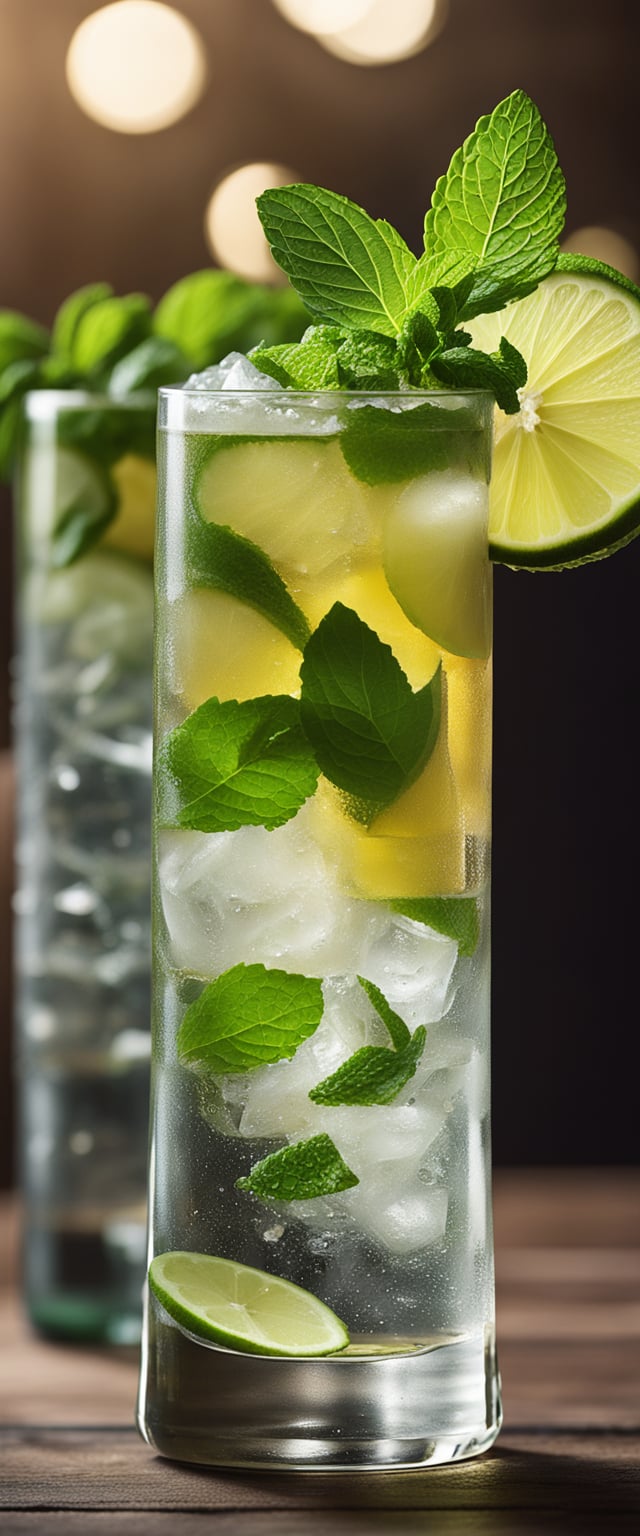
Navigating the World of Alcohol-Free Spirits: A Comprehensive Journey
As we are nearing the end of our research into the intriguing world of spirit without alcohol, it’s now time review the fascinating information we’ve collected. In this, the final installment of our series in which we’ll try for a recap of the key points in each section and provide a comprehensive overview of this developing industry.
Recap of Our Journey
Section 1: Health Benefits of Alcohol-Free Spirits
The first part of this series, we delves into the benefits of drinking liquor-free spirits. In the process, we shed an understanding of how these drinks can be a pleasant alternative to their alcoholic counterparts. We looked into how they could help in reducing the risk of drinking responsibly, encourage better sleep, and decrease risk associated with alcohol consumption. The main takeaway from this study is that alcohol-free spirit can be a boon to both mental and physical wellbeing.
Section 2: The most popular Brands of Alcohol-Free Spirits
Our journey continued as we took a look at the various top brands that offer alcohol-free drinks. For everything from Seedlip up to Ritual Zero Proof, we focused on some of the industry top brands. Each brand displayed its distinctive technique for making drink options that are alcohol-free, setting a platform for a diverse and intriguing market.
Three: Exploring the European Market
In the final chapter of our series, we set our sights on Europe which is where the non-alcoholic spirits market has been booming. We discovered the continent’s rising interest in alcohol-free drinks and examined the wide array of flavours and styles available. From whiskey-free gins that are alcohol-free to alternatives Europe can be a treasure store for lovers of sophisticated drinks that are alcohol-free.
Section 4 Selecting the Best Alcohol-Free Whiskey
The last segment took us through a process to discover the perfect alcohol-free whiskey. We highlighted the importance of understanding flavor profiles, exploring the various brands, scrutinizing ingredients, reading reviews, experimenting mixing cocktails, taking into consideration different occasions, setting aside funds while seeking out recommendations and exploring a variety. Armed of these suggestions finding the perfect whiskey without alcohol was an enjoyable experience.
The Culmination to Our Journey An In-depth Review
When we come to an end it is crucial to understand the overarching essence of the alcohol-free spirits industry
The Development of a Thriving Industry
The industry of alcohol-free spirits is not just a trendy trend and is a major change. A growing number of consumers worldwide are looking to these new and innovative options due to a myriad of reasons, from healthy alternatives to broadening their taste potential.
Unending Possibilities of Flavor
One of most amazing aspects of alcohol-free spirits is the wide selection of flavors available. From gins with botanicals to whiskey with a smoky flavor There’s a non-alcoholic choice to suit everyone’s tastes.
Responsible Drinking Redefined
Alcohol-free spirits help individuals be able to enjoy the sensory and social aspects of drinking without the adverse effects of alcohol. Drinking responsibly has never been easier or enjoyable.
A World of Innovation
Innovation is at the heart of this industry. Brands are constantly pushing the limits, using botanicals, spices and extracts, to create alcohol-free drinks that can compete with their liquor counterparts in complexity as well as depth.
Final: Cheers to the Future of Spirits that are Alcohol-Free
When we raise a symbolic glass at the conclusion of our journey, it’s clear that the alcohol-free spirit market is vibrant, innovative and full of potential. From the health-conscious all the way to taste-lovers, there’s definitely a space for everyone in this growing industry.
Whether you’re sipping an alcohol-free Gin in the midst of Europe as well as discovering a fresh label, or tasting the flavor of a whiskey that is alcohol-free and more, it’s your choice to explore. So, here’s to an exciting future full of choices along with the sophistication and enjoyment of drinking responsibly.
Thank you for coming along as we explore spirits that are alcohol-free. We hope that our series given you valuable information, and we are looking forward to interacting with you as we continue to explore the new world of non-alcoholic drinks.
Welcome to the world of possibilities in alcohol-free drinks!