understand
How to understand the Market Landscape
In the ever-changing realm of beverages, a brand new one has emerged as the main player – alcohol-free spirits. These new drinks have gained a significant amount of traction in recent years, as consumers increasingly turning to alternatives that are not alcoholic. In this in-depth look we’ll look into the spirit market that is alcohol-free, focusing on the current state and trends for growth in the EU as well as the UK. Don’t be afraid to join us into this exciting domain.
The growing popularity of alcohol-free Spirits
The Numbers Don’t Make a Murder
Before we begin, let’s take just in a moment to understand the magnitude of the growing market. It is evident that in both the EU and UK, the demand for spirits that are alcohol-free has been increasing. The market was valued at over a,!X billion. Experts are predicting it will remain on an upwards trend, and will reach a billion in 2025.
consumer preferences redefined
Why is this sudden increase? The reason lies mostly in changing consumer habits. The growing concern for health and less alcohol have pushed people to look for alternatives traditional alcohol-based drinks. Alcohol-free spirits are a clear winner in meeting the changing expectations.
A Sneak Peek Inside the Brands
In this competitive market, a number of brands have seen impressive growth. Brands such as “Spirito” and “Elixiria” have grabbed market share by offering a diverse assortment of alcohol-free spirits. Spirito’s botanical blends with a floral aroma and Elixiria’s elixirs with fruit have become household names, testament to how the industry can create tempting alternatives.
Navigating through Regulatory Seas
The Rules of the Game
Before diving in deeper, it’s important to be aware of the waters of alcohol-free spirits. When it comes to the EU and UK they are subjected to specific regulations that separate them from traditional alcohol beverages. Understanding these rules is essential for those working in this field.
Labeling and Composition
One important aspect of regulation pertains to labeling and composition. Alcohol-free spirits must clearly indicate their alcohol content, which is typically less than 0.5 percent ABV (alcohol by volume). In compliance with these guidelines, you can ensure clarity and helps consumers make informed choices.
Marketing and branding
Additionally, the marketing and branding of alcohol-free spirits must not be misleading consumers. Find a way to present something as an alternative to alcohol-based spirits and identifying it as a product that is unique is vital.
After having explored the landscape of markets and regulatory complications, let’s move into the realm of non-alcoholic spirits. In the next section, we’ll uncover the intriguing market trends and emerging patterns which are shaping this fast-growing sector. Begin this journey of health consciousness, creativity as well as the exciting future of alcohol-free spirit.
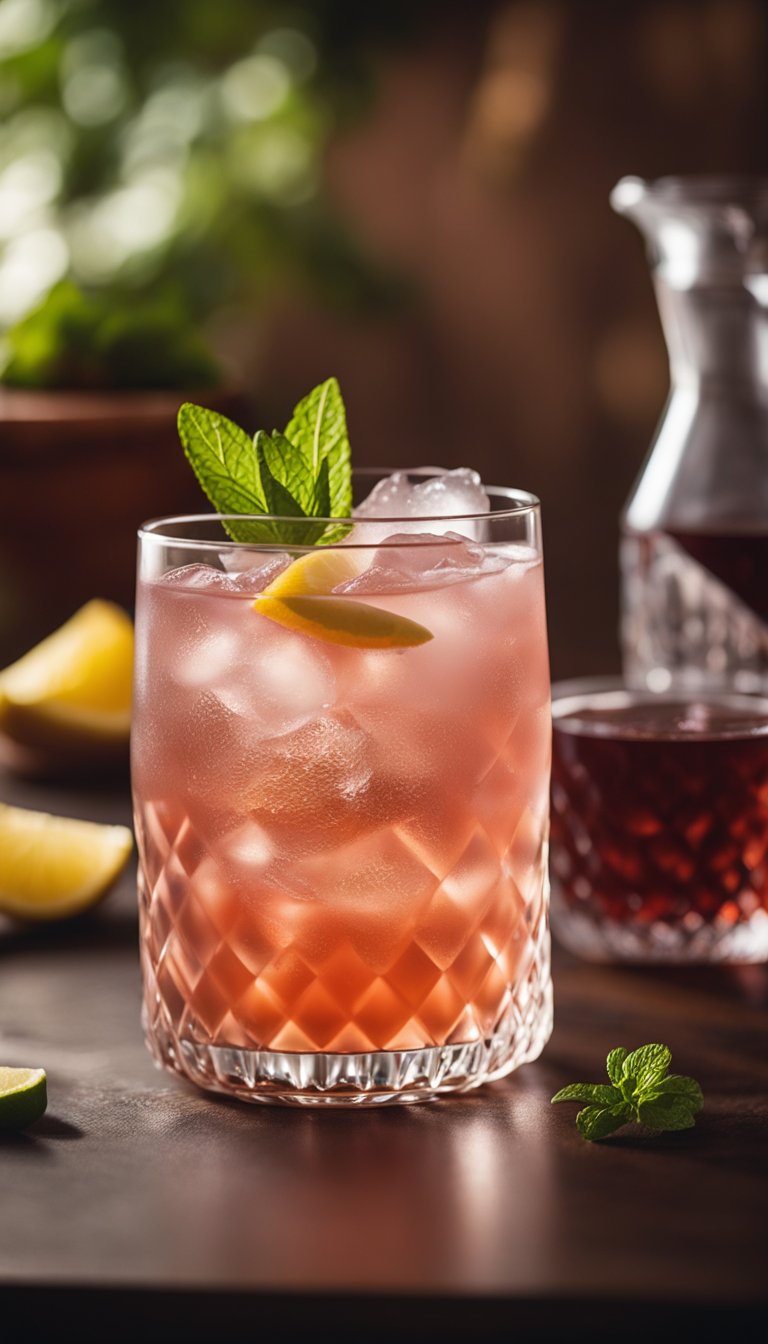
A Sips of Innovation Emerging Trends in the Alcohol-Free Spirit Market
Now that we’ve laid the foundation for understanding the alcohol-free spirit market’s current condition then let’s start looking towards the future. In this article in this section, we’ll be taking a deep look at the new trends that influence this EU and UK environment of alcohol-free spirits. Make sure you buckle your seatbelts as go on a journey of innovation, sustainability, and shifting consumer preferences.
The Innovation Center is where the spotlight should be
Beyond the Mocktail
The days of boring mocktails are over. Perhaps one of the most striking trends within the market for alcohol-free spirits is the relentless seeking of new ideas. Brands are pushing the limits of flavor profiles, using exotic botanicals, and using the most cutting-edge distillation techniques in order to make alcohol-free spirits that compete with their alcoholic counterparts.
Aromatic Complexity
To be the first to go are brands like “AromaCraft” or “InfiniFlavor,” known for their distinctive flavor profiles. From the smoky aroma of aged whiskey to the citrusy flavor of gin inspired spirits These brands showcase the art of alcohol-free spirit making.
The Invention of Limited Editions
Another exciting aspect of innovation is the emergence of limited-edition alcohol-free spirits. Brands are trying out special releases, collaborating with renowned mixologists, and even adding rare ingredients to make buzz-worthy offerings.
Sustainability and Eco-friendly Choices
From Field to Bottle
As people are more eco-conscious the concept of sustainability is now a important aspect of the alcohol-free spirit market. Companies are placing an intense emphasis on responsible sourcing of ingredients and packaging that is eco-friendly. “EcoSip” or “GreenHarvest” are two examples of businesses that have a strong commitment to sustainability. They are using organic and ethically-sourced ingredients as well as recyclable packaging.
Reducing Carbon Footprints
In the fight against carbon emissions, reducing footprints is a major goal. Certain brands are now adopting carbon neutral production processes, offsets for emissions and implementing eco sustainable methods. These actions are appreciated by consumers looking for products that align with their beliefs.
In order to meet the varied needs of the consumer
A Spectrum of Choices
One of the unique aspects of the alcohol-free spirit market is the ability adapt to a variety in consumer demands. There’s no longer an all-one-size-fits–all scenario. Brands understand that people have varying taste preferences and certain dietary restrictions.
Sugar-Free and Gluten-Free and more
Gluten-free sugar-free and allergen-free alcohol-free spirits are now widely available. Brands like “PureTaste” or “FreeFlow” are experts in the production of spirits that satisfy specific diet requirements, so that nobody is left out of the alcohol-free drinking experience.
As we surf the revolutionary waters and consider the sustainability of the alcohol-free spirit market, it’s evident that this sector is growing quickly in order to meet the demands of consumers. But the story doesn’t end here. In the next section we’ll dive into the consumer trends in behavior that are influencing the course that this industry is on. Be prepared to navigate the myriad of choices consumers make and their preferences.
Exceptional Spirits, Directly to You: Choose Swedish Distillers for Bulk Non-Alcoholic Orders!
Knowing Consumer Behavior and Preferences: Consumer Preferences and Trends
In our journey through the constantly evolving landscape of alcohol free spirits, you’ve seen the marketplace’s current state as well as marveled at the ingenuous strategies. Now, we’re ready to turn our attention to one of the major factors driving this shift in the industry: consumer behavior. Knowing what consumers want and how they make choices is pivotal for brands looking to succeed within the EU and UK alcohol-free spirit market.
The Multifaceted Consumer
The Health-Conscious Consumer
One of the most pronounced changes in the behavior of consumers is the rise in health-consciousness. A growing number of consumers prefer alcohol-free spirits as a way to enjoy the joy of a cocktail but without the negative health consequences of alcohol. They value wellbeing for their physical and mental well-being. They are usually drawn to spirits that are made from organic ingredients and health benefits.
The Culinary Explorer
The market for alcohol-free spirits is also attracting culinary experts who appreciate mixing the art of mixing. They are searching for unique flavor profiles and unique botanical blends that enhance their drinking experience. For them, alcohol-free spirits are an ideal canvas for creative cocktails.
A Social Connector
Humans, as social beings, have an innate desire to interact with others. Alcohol-free spirits have found an exclusive place in the group of people that want to take part of social gatherings, but without alcohol’s influence. This category is concerned with the social aspect of drinking, as well as the ability to enjoy sophisticated drinks without hangover.
Consumer Behavior Trends
The Online Discovery Program and Purchasing
The digital era has revolutionized the way consumers discover and purchase alcohol-free spirits. Online platforms, ranging from e-commerce websites or social channels, can play an important factor in influencing consumers’ choices. Companies that make use of online channels for marketing and sells are more likely to succeed.
Transparency and Authenticity
Consumers want accountability from businesses. They want to know where ingredients come from what they’re made of, how it’s done, and the values the company’s values are. A commitment to authenticity and sustainability resonate strongly with the modern day consumer.
The Role of Reviews as well as Recommendations
Reviews and recommendations, from friends or online influencers, have significant weight in the alcohol-free spirit market. Positive testimonials and expert endorsements are able to influence consumers’ choices. Brands should be actively engaging with their customers and solicit honest feedback.
Sustainability as a Key Driver
Sustainability is now no longer just a niche topic becoming a standard driver of consumer behavior. Companies that employ eco-friendly practices and display social responsibility are in a position to attract customers who are aligned with these ideals.
What’s In Store
As we navigate the complex ocean of trends in consumer behavior we can see that the market for alcohol-free spirits doesn’t only revolve around what’s in the bottle but also regarding the values and experiences it embodies. In the following section we’ll explore how strategies and techniques that brands use to meet various consumer demands. Be ready to learn the strategies propelling brands to the forefront of this thriving industry.
Strategies for Creating Success: Strategies for Brands that are Alcohol-Free
In the ever-changing landscape of alcohol-free spirits, brands are creating winning stories by studying consumer behaviour and leveraging emerging trends. With consumers looking for higher-quality, less sluggish, and more socially-connected alternatives, brands that are alcohol-free must take the proper steps to be noticed from the competition. In this section we’ll explore the strategies that brands with success are using as well as guiding you down a way to success in the EU and UK alcohol-free spirit market.
Strategy 1: Diverse Flavor Profiles
Bold and Diverse Botanicals
Top brands have been investing their money in the development of sophisticated flavor profiles that meet a variety of flavors. They’re using a wide array of plant extracts, each selected due to their unique contribution the overall taste experience. This makes sure that people can discover alcohol-free spirits that match their taste and preferences, whether it’s fruity and refreshing or a bit rich and spicy.
Limit Editions, and seasonal Releases
The intriguing limited editions and seasonal releases spark anticipation and excitement among consumers. Special releases may showcase inventive flavor combinations or showcase the season’s ingredients, giving reasons for customers to experience something new.
Strategy 2 Mixology and Collaborations
Collaborations with Mixologists
Collaboration with renowned mixologists can be a great strategy for companies. Mixologists can make signature cocktails and recipes that emphasize the distinctive flavours of alcohol-free spirits. Their knowledge and experience adds credibility to the brand and opens new avenues for creative mixology.
Cocktail Recipe Collections
A number of alcohol-free spirits that are successful offer consumers cocktail recipe collections. The collections encourage people to think outside the box and allow them to experiment with various mixers, garnishes, and different styles of presentation. Sharing these recipes through websites and social networks increases the brand’s engagement.
Strategy 3: Sustainable and Eco-Friendly Techniques
Sustainable Sourcing
Many brands are adopting more sustainable practices, from purchasing ecologically-sourced plants to lessening their carbon footprint. Consumers are drawn to brands that prioritize environmental responsibility which makes sustainability a crucial selling element.
Eco-friendly Packaging
Eco-friendly packaging is yet another trend which is popular with environmentally conscious consumers. Brands are looking into innovative packages that’s biodegradable, recyclable, or even reusable. Attractive, eco-friendly packaging can differentiate a brand from the rest from the competition and also in consumers’ minds.
4. Strategy: Engaging with Communities
Online Communities
Successful brands have online communities for consumers to communicate, share their experiences, and share ideas. These communities provide a platform for drinkers to discuss recipes reviews, as well as innovative ways to make use of alcohol-free spirit.
Customer Feedback, Iteration and
Brands constantly seek out and respond to feedback from customers. This process of feedback allows companies to enhance their products taste, their flavors, as well as their marketing strategies using real-world information. It also demonstrates a commitment towards satisfying the needs of consumers.
Strategy 5: Innovative Marketing
Stories and brand values
Effective storytelling allows brands to engage with consumers on higher level. Brands are sharing their roots, values, and their commitment to sustainability and wellness. They employ storytelling to express their personality and authenticity as a brand.
Partnering with Influencers
Collaborations between influencers who align with the brand’s ideals and intended audience can enhance a brand’s reach. Influencers usually create captivating material that showcases a brand’s products in lifestyle contexts.
What’s Next
As we uncover the strategies that are behind the success of the non-alcoholic spirit market, it’s time for the final section of our research and a peek into the future. In the next part we’ll examine the crystal ball and examine the forecasts and trends which will likely shape how the EU and UK market for alcohol-free spirits over the years ahead.

The future of alcohol-free Spirits Forecasts and Trends
As we wrap up our journey into the realm of spirits that are alcohol free, we look to the future, and explore some of the most exciting trends and predictions expected to alter and transform the EU and UK alcohol-free spirit market in the coming years. The journey has been enlightening that has taken us through numerous aspects of this burgeoning industry from its beginnings all the way to the strategies that leading brands are employing for success. Let’s begin an exploration that is forward-looking.
The alcohol-free spirit revolution Continues
New Formulations
The market for alcohol-free spirits will have a surge in new formulations. Brands will push the boundaries by experimenting with exotic botanicals along with new flavors and imaginative methods to duplicate the complexity and depth of alcohol-based spirits. Expect spirits that go against the established rules and excite the taste buds.
Health and Wellness Integration
The increasing interest of consumers in health and wellness will drive the creation of alcohol-free spirits which provide functional benefits. Brands will infuse their product through adaptogens as well as vitamins, and other health-promoting ingredients. These spirits won’t just be a viable alternative to drinking alcohol, but also provide consumers who want drinks that boost their overall health.
Personalized Experiences
Personalization will be the main aspect. Brands will take advantage of technology to create customized alcohol-free spirit experiences. From customized flavor profiles to online cocktail suggestions, consumers will have more control over their drinks than ever before.
Sustainability takes center stage
Circular Economy practices
Sustainability will continue to be a major area of focus. Brands will follow circular economic practices, making sure that production processes do not create waste and environmental impact. Production, sourcing, and packaging will be created with sustainability in mind. They will also appeal to eco-conscious buyers.
Carbon-Neutral Spirits
Brands are committed to achieving carbon neutrality. This means that they will offset carbon emissions generated by every phase of the life cycle of an item. Carbon-neutral spirits are a popular choice for consumers concerned about climate change and conserving the environment.
The Rise of E-Commerce and DTC Models
Direct-to-Consumer (DTC) Dominance
E-commerce and DTC models will continue to grow. Spirit brands that are alcohol-free will invest in user-friendly platforms on the internet, which make it easier for consumers to locate, buy and interact with their products directly. The convenience of DTC shopping will help drive market growth.
Virtual Tastes and Experiences
Virtual tastings and immersive online experiences are expected to become the norm. Brands will hold virtual events that allow customers to sample their offerings from within the privacy of their homes. These events will strengthen consumer connections and foster brand loyalty.
Revisions to the Regulation and Acceptance
Clearer Labeling Standards
Regulators will create clearer labeling standards for alcohol-free spirits. This will enhance transparency, helping consumers make informed choices. Standardized terminology will cut down on confusion surrounding alcohol content.
A Wider Adaption
Alcohol-free spirits will see greater acceptance in bars, restaurants and social spaces. Mixologists will incorporate them into their menus, offering more non-alcoholic cocktails. The stigma that comes with abstaining drinking alcohol will go away.
A Review of Our Journey
When we’ve brought our exploration in the EU and UK market for alcohol-free spirits to an end, let’s take a moment for a recap of the interesting experience we’ve enjoyed:
-
Understand the Market It began by gaining a comprehensive understanding of the alcohol-free spirit market along with its history and its rapid expansion.
-
Crafting Success Strategies Then we delved into the strategies used by successful brands, which include the variety of flavor profiles, collaborations on sustainability, engagement with communities and a creative approach to marketing.
-
The Future Is Ahead: In this section, we’ve gazed to the future through the prism of crystal, and explored the upcoming trends and predictions which will define the future of this ever-changing business.
In conclusion in conclusion, in conclusion, the EU as well as the UK liquor-free market are on an upward trend, driven by the latest innovations, sustainability, and evolving consumer preferences. Brands that are able to embrace these trends and adapt to a changing environment are well-positioned to be successful in this dynamic market.
Thank you for being a part of us with us on our journey. When we begin to look toward tomorrow’s alcohol-free beverages let your glasses be filled with the unlimited possibilities that this industry offers.
The Unlocking of The EU as well as the UK’s Alcohol Free Spirit Market Segmentation: Act now to ensure success!
In a time where the consumer’s preferences are changing quickly and the market for alcohol-free spirits has seen a significant shift. These two markets, EU and UK is known for its traditional alcoholic drinks, are now witnessing a surge in demand for alcohol-free alternatives. To navigate the changing environment successfully, businesses have to understand the intricacies of segmentation of markets. The first instalment of this series we’ll delve into the fundamentals of how market segmentation can be beneficial and how it can be used when it comes to alcohol-free spirits.
What is the reason? Market Segmentation Is Important
Market segmentation is a method that divides a market into smaller and more manageable segments by focusing on particular characteristics, preferences, and behaviours. It serves as a strategic instrument to help businesses adapt their products and marketing efforts to satisfy the specific demands of each segment. Market segmentation is a crucial factor:
-
targeted marketing: When you identify distinct different consumer groups in the market Businesses can then design targeted marketing campaigns that resonate with the unique preferences and requirements of each segment. This leads to more efficient methods of marketing and increased conversion rates.
-
Product Customization: Recognizing different markets allows companies to design items that cater to the preferences and requirements of every group. This not only enhances customer satisfaction but also fosters brand loyalty.
-
Resources Efficiency Market segmentation helps to allocate resources efficiently. Instead of adopting a one-size-fits-all approach, businesses should focus their resources on segments with the greatest potential for growth and profitability.
-
Strategic Advantage Enterprises who effectively divide their markets gain a competitive edge. They can spot gaps in the market, formulate unique value propositions, as well as differentiate themselves from competitors.
-
Customer Retention: Tailored marketing and products can lead to better customer satisfaction and, consequently increases retention rates for customers. People who are loyal to you are more likely to become advocates for your company.
Market for Alcohol-Free Spirits in EU and UK
Different types of alcohol-free spirits
Before diving into market segmentation, it’s important to comprehend the alcohol-free spirits situation in EU or UK. This market has seen a remarkable growth, as well as an expanding quantity of alcohol-free alternatives that are available. The most well-known categories are:
-
Alcohol-Free Gins: The gin is designed to bring out the essence and flavor of traditional gin, alcohol-free spirits offer similar flavor profiles but with no alcohol. They are popular for their ability to be used in cocktails as well as a stand-alone drink.
-
Alcohol-Free Whiskeys: Whiskeys that are alcohol-free aim to recreate the rich and spicy flavors of traditional whiskey. They are ideal for those who enjoy the taste of whiskey, but want to stay away from alcohol.
-
Alcohol-Free Vodkas: Alcohol-free spirits offer the clean and crisp characteristics of traditional vodka without the alcohol. They are used in various mixed drinks and mocktails.
-
Alcohol-Free Rums: Rums that are not alcoholic capture the sweet and complex taste of traditional rums, making them a major ingredient in drinks that are alcohol-free in tropical drinks.
-
Tequilas without alcohol: These alternatives retain the earthy, agave and floral notes that are typically found in tequilas of the past, making a wonderful base for non-alcoholic margaritas and cocktails.
The range of alcohol-free spirits demonstrate the industry’s commitment meeting the diverse tastes of consumers and preferences. As the demand for these beverages continues to increase understanding market segmentation will become essential for businesses looking to prosper in the current marketplace.
In the next segment, we will look at how consumer preferences play an important role in alcohol-free spirit market segmentation. This will shed light on the factors that cause people to go with alcohol-free options. Let’s get into this fascinating journey to understand how to understand the EU and UK market for alcohol-free spirits.
Direct to Market Excellence: Order Bulk Non-Alcoholic Spirits from Swedish Distillers Now!
Understanding consumer preferences across the EU and UK Alcohol-Free Spirit Market
In our previous segment, we discussed the underlying principles of market segmentation and the growing EU and UK alcohol-free spirit market. The next part of our series dives deeper into what lies at the root of the matter: consumer preferences. Understanding what drives consumers to make the decision to drink alcohol-free is crucial for businesses looking to create their niche in this evolving market. Let’s start this journey of exploration.
A Changing Consumer Landscape Evolving Consumer Landscape
Consumer preferences are at the core of any market, and the alcohol-free spirit market is not an exception. These factors reveal the current consumer market:
Current Health and Wellness Issues
One of major motives behind the alcohol free spirit market is the growing global trend toward health and wellness. As consumers become more conscious of their health, they are and seeking out products that fit with their need for an active and healthy lifestyle. Alcohol-free spirits are a great option for those looking to enjoy the flavours and social aspects of drinking alcohol without suffering the negative health impacts of alcohol.
Millennial Influence
Generation Y, born between 1981 and 1996, are an influential force in shaping the fashions of consumption. This generation values experiences over possessions and is more likely to investigate healthier and new alternatives such as alcohol-free spirit. It is also a major segment for businesses to target.
Social Responsibility
People, especially young ones are increasingly mindful of their social responsibilities in their purchase decisions. They are influenced by brands that are environmentally-friendly, ethical and socially conscious. Alcohol-free spirit producers that emphasize sustainable practices and sustainable production tend to resonate with the consumers.
Flavor Variety
The market for alcohol-free spirits has adapted to the growing demand of consumers for various flavors. If it’s a plant-infused alcohol-free gin, a smoky alcohol-free whiskey, or a tropical alcohol-free rum The variety of flavors available caters to different tastes preferences. This choice is appealing to those seeking something new and exciting in their beverages.
Addiction to alcohol Reduction and Abstinence
For individuals reducing their drinking or refusing to drink all alcohol Alcohol-free spirits are an ideal alternative. They let people join in social gatherings, and delight in the craft of cocktails without the effects of alcohol.
Important Considerations for Market Segmentation
Understanding the preferences of consumers is essential for segmenting the market. If you want to segment effectively to effectively segment the EU and UK spirits that are alcohol-free, businesses should look at the following points:
Demographics
The demographics of age and gender, income, and location play a large role in influencing consumer preferences. Younger consumers, for instance might be more prone towards unusual flavors, whereas older consumers may prefer health benefits.
Lifestyle
The lifestyle of the consumer greatly influences their choices. People who lead active lives may choose low-calorie, energy-boosting or alcohol-free options, while others may be interested in alcohol-free spirits for relaxing evenings at home.
Events
Different occasions require different types of drinks. Companies should think about how their customers consume alcohol-free spirits – be it for celebrations, social gatherings or just for relaxation and tailor their marketing strategies to suit.
Taste Preferences
Flavor profiles matter. Certain customers prefer Gin’s botanical flavors, while others might prefer the richness of whiskey’s smoke. Segmenting the market on the preferences of consumers allows businesses to concentrate on certain niches.
Values and Ethical Concerns
People are increasingly choosing brands that adhere to their beliefs. Companies that support ethical sourcing, sustainability, and responsible production are able to connect with people who are socially conscious.
If you take these factors in consideration, businesses can create targeted marketing campaigns, design products to meet specific consumer needs and also establish a significant market presence within the EU and UK the alcohol-free spirit market.
In the next segment we’ll dive into the marketplace in order to identify the leading players and strategies that are shaping its future. Stay tuned for more insights on how to make your mark in this competitive market.
Designing a Successful Strategy on behalf of the EU and UK Drink-free Spirits market
Welcome to the third installment of our tour through this EU and UK spirits market that are alcohol-free. In the previous parts we looked at market segmentation and consumer preferences while revealing the changing landscape which businesses have to traverse. Now, we need to explore how to craft an effective strategy in the booming industry.
Knowing the Competitive Landscape
Before tackling the strategy development is crucial to understand the competitive landscape. The alcohol-free spirit market is competitive and vibrant, with a myriad of companies trying to get attention of consumers. Here are some key details about the current state of the market:
Market Growth
The market for alcohol-free spirits is undergoing a rapid growth and new brands are entering the scene frequently. With demand for consumer spirits continuing to rise, competition is increasing, making it essential for companies to stand out.
Established Players
Several established players dominate the marketplace, and have an impressive brand name and strong customer loyalty. They have set the bar in quality and taste that makes it hard for newcomers, especially those who are just starting out, to break the.
Niche Players
Niche brands have made it big by catering to specific consumer groups or offering distinct flavor profiles. They usually succeed because they are solving unmet demands in the market.
Crafting Your Unique Selling Proposition (USP)
To be noticed in this business environment, companies must identify a compelling Unique Selling Proposition (USP). Your USP is what distinguishes you and allows consumers to select your alcohol-free spirits instead of others. Here are some tips to consider:
Flavor Innovation
In a marketplace with a wide range of taste preferences inventive flavor profiles can be a game changer. Create unique botanicals using techniques for infusion, and even natural extracts in order to create unique and distinctive products.
Health and Wellness Focus
As a result of the growing health-consciousness among consumers, emphasizing the health benefits of your alcohol-free spirits could be an appealing USP. Make sure to highlight low-calorie, sugar-free and natural ingredients.
Sustainability and ethics
The majority of consumers prefer companies that focus on environmental sustainability, ethical sourcing and a responsible production. Promote your firm’s commitment to these ideals in your packaging and marketing.
Marketing and branding
Effective marketing and branding is vital. Develop a branding identity that resonates with your target audience and tells an engaging story. Consider investing in appealing packaging that expresses the essence of your brand.
Partnerships and Collaborations
Get involved with influencers. Bars restaurants, or event organizers to extend your reach. Strategic partnerships can expose your products to a wider market.
Aim-based Marketing and Consumer Education
Once you’ve established your USP Once you’ve established your USP, it’s time for you to focus on marketing and consumer education. Here’s the best way to go about it:
Digital Marketing
Leverage the power of digital marketing to connect with your ideal public. You should invest in search engine optimizing (SEO) which will ensure that that your site ranks highly in search results. Utilize social media for interaction with users and advertise your products.
Content Creation
Create useful content that informs consumers about the benefits and versatility of alcohol-free spirits. Videos, blog posts, or infographics can aid consumers comprehend how to integrate your product into their lives.
Tasting Events
Create tasting events in restaurants, bars and other alcohol-free events. Offering consumers the chance to try your drink firsthand can be a persuasive sales strategy.
Customer Support
Offer excellent customer support to answer questions and build trust. Professional and prompt customer service can transform potential customers into long-term advocates.
In the next part we’ll look at distribution channels and the best ways to efficiently get your product into the people’s pockets. Stay tuned for information about growing your market share and making alcohol-free spirits easier to access for a wider population.
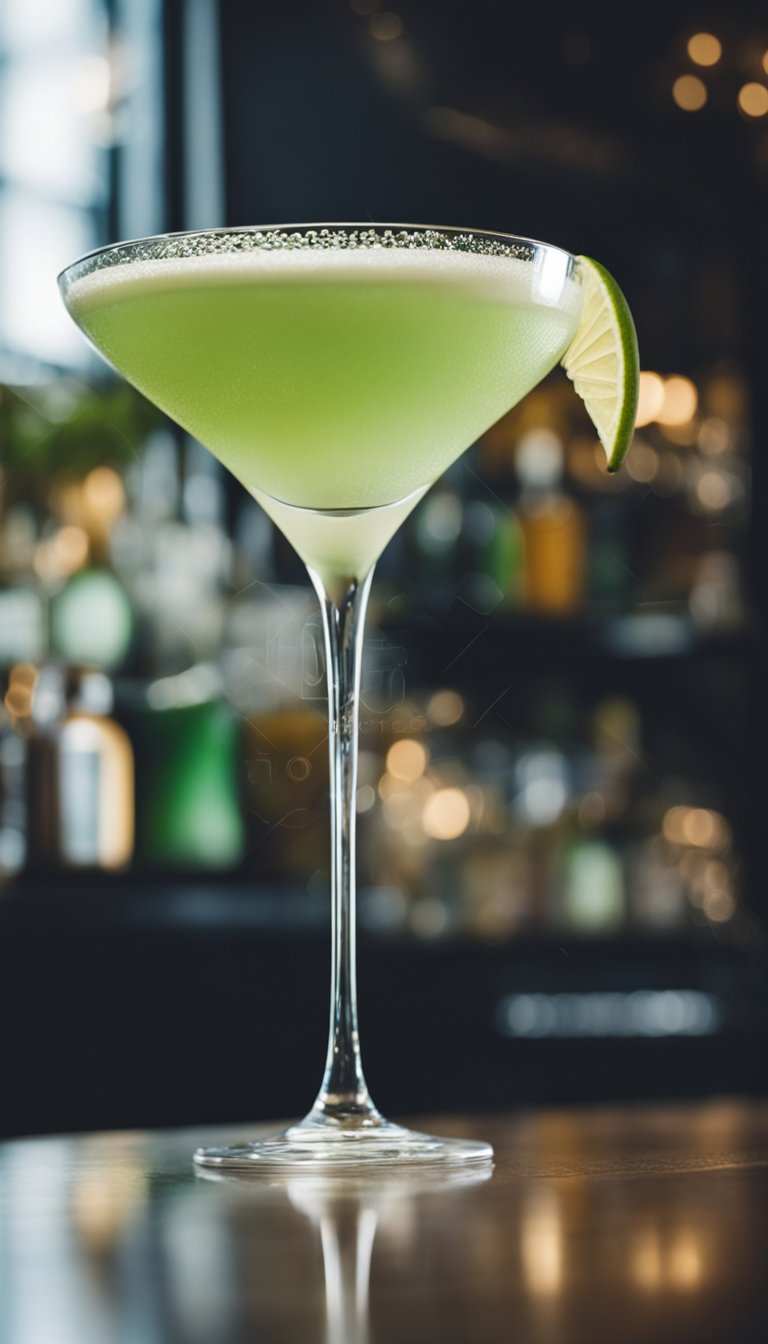
Navigating Distribution Channels: Getting Your Alcohol-Free Spirits to the Consumers
Through our exploration of this EU and UK market for alcohol-free spirits we’ve explored market segmentation, consumer preferences, as well as crafting a compelling Unique Selling Proposition (USP). Now, we turn our attention towards a vital aspect of success: distribution channels. What can you do to effectively make your alcohol-free beverages get into the hands of eager buyers? Let’s dive in.
Understanding Distribution Dynamics
Before deciding on a distribution strategy It’s crucial to be aware of what’s happening in the alcohol-free spirit market. Here are key insights into how distribution is currently going:
Traditional Retail
Traditional retail channels like supermarkets and liquor stores, have historically been the main distribution channels for alcoholic beverages. However, the landscape changes as consumers search for healthier options.
Online Retail
E-commerce has revolutionized distribution of alcohol-free spirits. These platforms allow customers to discover a vast array of choices, making it an attractive way for emerging brands.
Specialty Stores
Specialty stores catering to people who are concerned about their health or looking for unique products have become important distribution partners. Look into partnering with these retail stores in order to access the market segment that is specialized.
Restaurants and Bars
Restaurants and bars are crucial in introducing consumers spirit that is alcohol-free. In partnership with establishments, you can include your products in their menus.
Making Your Distribution Strategy
Now that you have an understanding of the distribution dynamics and the importance of distribution strategies, let’s devise a winning distribution strategy:
Multi-Channel Approach
Take a look at a multi-channel approach to distribution in order to reach out to a wider customer base. Mix traditional retail with e-commerce and specialty stores to increase your market presence.
Online Presence
Invest in a solid online presence. Create a simple and user-friendly eCommerce website where customers can browse, purchase, and find out more about your products. Optimize your site for search engines (SEO) for improved online visibility.
E-Commerce Partnerships
Make partnerships with some of the largest platforms for e-commerce, like Amazon or alcohol-free spirits marketplaces. These platforms have their own communities keen to try new products.
Wholesale Partnerships
Get in touch with wholesalers or distributors who specialize in alcohol-free beverages. Established networks can aid your product in reaching the widest range of retailers.
Direct-to-Consumer (DTC)
Think about a Direct-to-Consumer (DTC) method, in which you market your spirit that is alcohol-free directly to consumers via your website. DTC permits higher margins of profit and improved customer relationships.
Regulatory Compliance
The market for alcohol-free spirits also involves compliance with standards of regulation. Ensure that your products meet all legal standards and obtain the permits and licenses required to sell your product.
Consumer Education
The process of educating consumers about your products is essential for a successful distribution. Consider the following strategies:
Informative Website
Create a site that contains precise information on products as well as cocktail recipes and regularly asked question (FAQs). These details can aid consumers in making educated decisions.
Tasting Events
Hold tasting events at various distribution points, giving consumers the chance to taste alcohol-free beverages. These events give customers hands-on experience to build brand trust.
Social Media
Use social media to engage with consumers and share content that educates them about the benefits and uses of your products.
In the next section, we will discuss of Keeping Market Relevance
When we conclude this segment on distribution channels, it’s crucial to remember that getting your alcohol-free spirits in the consumer’s hands is just the beginning. In the following section, we will explore strategies for maintaining market relevance as well as continuously adapting to evolving expectations of consumers. Be on the lookout for new insights into product innovation and staying one step ahead of the competition.
Maintaining Success: Navigating the EU and the UK Alcohol-Free Spirit Market – Part 5.
This is the last installment of our extensive series on The EU and UK market for alcohol-free spirits. In this concluding piece, we’ll explore the crucial aspects of maintaining market credibility and recollecting the major lessons from our experience. So, let’s embark on this final phase of our exploration.
Staying ahead of the curve through innovation
As the alcohol-free spirit market continues to evolve it is essential to stay ahead of the technological advancements is essential. Here’s how to invent to maintain market relevance:
New Product Development
Put money into research and development to develop innovative alcohol-free spirits that meet the evolving tastes of consumers preferences. Make experiments with new flavors as well as ingredients and packaging to draw attention from consumers.
Health and Wellness Focus
Stress the health and wellbeing aspects of your product. Indicate the benefits of nutrition, natural ingredients, and how alcohol-free spirit can be part of a balanced lifestyle.
Sustainable Practices
Adopt sustainable practices in production and packaging. Eco-friendly alternatives resonate with eco conscious consumers. This can help you set your brand apart.
Marketing and branding
Effective branding and marketing are pillars to sustained successful business. The following are some strategies to consider:
Storytelling
Be sure to tell your story via engaging content. Insist on the value, story and purpose behind your alcohol-free spirits in order to communicate with consumers on larger scale.
Collaborations with Influencers
Connect with influencers within fitness, health or mixology sectors. Their endorsements will increase your reach and increase the credibility of people you wish to target.
User-Generated Content
Inviting consumers to express their opinions on your products on social media. Content that is created by customers can help create an environment of shared experience and authenticity of your brand.
Affirming Consumer Trends
The consumer landscape is constantly evolving. For staying relevant, be on the lookout and be aware of these trends:
Health and Wellness Trends
As the trend towards health and wellness increases, make sure you align your products to the latest trends in wellness. Make sure you offer sugar-free, low-calorie or functional alcohol-free spirits to satisfy the demands of consumers.
Cultural Celebrations
Be sure to tap into the celebrations of culture and holidays. Make special cocktails or editions especially designed for these occasions in order to take advantage of seasonal demand.
Review of Our Journey
In this series, we’ve explored through the murky waters of the EU and UK market for alcohol-free spirits. Let’s look back at the most important takeaways from each piece:
Article 1: Market Segmentation
Understanding your intended audience and segmenting your marketplace is crucial for success. Find niches in the alcohol-free spirit market to customize your products efficiently.
Article 2: Crafting a Compelling USP
Crafting a Unique Selling Proposition (USP) helps differentiate your brand. It should be clear what makes your alcohol-free spirits apart, whether it’s flavor, ingredients or environmental sustainability.
Article 3 The distribution channel Channels
The ability to distribute your product effectively is essential. Make use of a multi-channel strategy, consider e-commerce as an investment, and look into partnerships for reaching a wider audience.
4. Regulatory Compliance and Consumer Education
Compliance with the law is a requirement. Let consumers know about your products by providing informative tasting events, websites, as well as social media interactions.
Article 5: Maintaining Success
Innovation, branding, and adaptation are the key to maintaining success. Pay attention to consumer trends, focus on wellness as well as celebrating cultural moments.
Conclusion
In the rapidly growing EU as well as the UK alcohol-free spirit market lasting success requires constant development. From market segmentation, to distribution methods, regulation compliance, and innovation We’ve covered the most important aspects that make a difference in the sector.
Remember that success isn’t always a static event; it’s more of a journey of continuous improvement and adaptation. By staying agile, consumer-focused, and innovative you will be able to navigate through the spirit market that is alcohol-free successfully.
We thank you for taking us for this ride. We hope these ideas will empower the consumer to make well-informed choices and be successful in this competitive market. We wish you continued success in the world of alcohol-free spirits!