alcohol-free liquor
Unveiling the Future: EU Sustainable Alcohol-Free Spirits
In recent times, the European Union (EU) has witnessed a profound transformation in the world of spirits. It is evident that a change in spirit industry practices are underwayaEUR”one that reflects the evolving preferences, tastes, and ethical choices of consumers. As the EU adopts a sustainable approach and more consumers seek alternatives to traditional alcohol drinks, the popularity of sustainable alcohol-free spirits has emerged as an interesting trend. In this article we go upon a trip to learn more about this intriguing phenomenon.
The Rise of Sustainable Spirits in the EU
Current trends in the EU’s Drinks Market
The landscape of the alcohol market in the EU has undergone a profound change. The past, alcoholic beverages have held a central place in European culture, with wine or beer as well as spirits being a staple of social gatherings and meals. However, in recent years, an interesting trend has emergedaEUR”consumers are becoming more conscious of their choices.
The EU market for alcohol, previously dominated by the drinking of alcohol, is now undergoing a shift toward more sustainable, healthier, as well as alcohol-free options. The need for mindful consumption as a result of health concerns social responsibility, as well as environmental consciousness is bringing about an era of spiritsaEUR”the the alcohol-free, sustainable type.
The Rise of Alcohol-Free Spirits
The leaders of this trend are innovative brands that have taken note of the shifting tide of consumer preferences. These forward-thinking companies have been able to respond by introducing a range in alcohol-free spirits that don’t simply offer a better alternative to traditional alcohol, but also promote sustainability.
The emergence of alcohol-free spirits is a major change from past. The spirits, which are not infused with alcohol, but full of flavor bring out the essence of traditional drinks without the intoxicating effects. While the idea of alcohol-free spirits may not be entirely new, the emphasis on sustainability and ecological responsibility is a new and significant change.
This article will dive deeper into this exciting field, analysing the environmental impact of traditional alcohol production, which is being integrated into the production in alcohol-free spirit. In the subsequent sections, we will examine the fascinating process involved in making these drinks, starting from the source of ingredients to eco-friendly production processes and sustainable packaging and distribution.
We’re going to embark on this adventure together and see the ways in which EU sustainable spirits without alcohol are creating a more green and more mindful future. In the next part, we will examine the environmental impacts of traditional alcohol production and how it’s driving people to more sustainable alternatives.
Continue reading: The environmental Impact of Traditional Alcohol Production
Keywords: EU sustainability of alcohol free spirits alcohol market within the EU Sustainable spirits, alcohol-free alternatives that are mindful, environmentally consciousness, alcohol-free and sustainable spirits, sustainability in spirits that are alcohol-free, ingenuous brands as well as the environmental impact from traditional drinking, sustainable alcohol choices.
Direct Access to Premium Spirits: Order Your Alcohol-Free Selection from Swedish Distillers!
The Environmental Impact of Traditional Alcohol Production
When you think of alcohol production, the image which comes to mind is beautiful beer breweries that are rustic, vineyards, or sophisticated distilleries. Although these places may be awash with style and character, they also conceal an environmental footprint that is significant. In this article will explore the environmental impact of traditional alcohol production techniques and how they have led to the increasing demand for sustainable alternatives.
the hidden costs of Traditional Alcohol Production
Traditional methods of producing alcohol are practiced for centuries, often passed down through generations. These practices typically involve cultivation of certain crops (such as grains, grapes, or sugarcane) the fermentation process, distillation or aging, as well as bottling. Although these methods may appear natural, they carry significant ecological implications:
1. Intensity of Resource
a. Land Use
Traditional alcohol production usually needs huge expanses of land for agriculture. The cultivation of crops such as grains or grapes require significant amounts of land that could instead be used for other and sustainable uses.
b. Water Consumption
The production of alcoholic beverages is typically water-intensive. From irrigation of crops all the way to actual fermentation and distillation processes, massive amounts of water are used up. This creates challenges in areas where water shortages are a pressing issue.
2. Energy Consumption
Traditional distillation and aging techniques are extremely energy-intensive. Utilizing fossil fuels to power distillery operations adds to greenhouse gas emissions and accelerates climate changes. In addition, the ageing of spirits in wooden barrels demands vast storage facilities. Often, this is requiring temperature control and further energy consumption.
3. Chemical Usage
Fertilizers and pesticides are often employed in agriculture to protect crops and boost yields. The chemical runoff produced by conventional farming practices can lead to degradation of soils and pollution of water detrimentally impacting ecosystems and human health.
A Shift Towards Sustainable Alternatives
As the concerns over global warming, resource depletion and environmental degradation rise, consumers are becoming more cautious. They’re seeking out products that match their standards of responsibly and sustainability. This shift in preferences of consumers has paved the way for the creation of sustainable alternatives like alcohol-free spirits.
In the next part this article, we’ll examine how the production of EU sustainable alcohol-free spirits is revolutionizing how the industry’s environmental footprint. From sourcing strategies that are innovative to environmentally-friendly production methods, these alternatives are setting up a new standard for sustainability within the spirit industry.
Continue reading Sustainable development in EU Alcohol-Free Spirits
Keywords: Environmental impact from alcohol production as well as traditional methods for producing alcohol, resource intensity in alcohol production, land use in the production of alcohol for water use during production of alcohol, energy consumption in alcohol production chemical usage in alcohol production Sustainable alternatives Climate change, environmental degradation, consumer preference for sustainability in alcohol-free spirit.
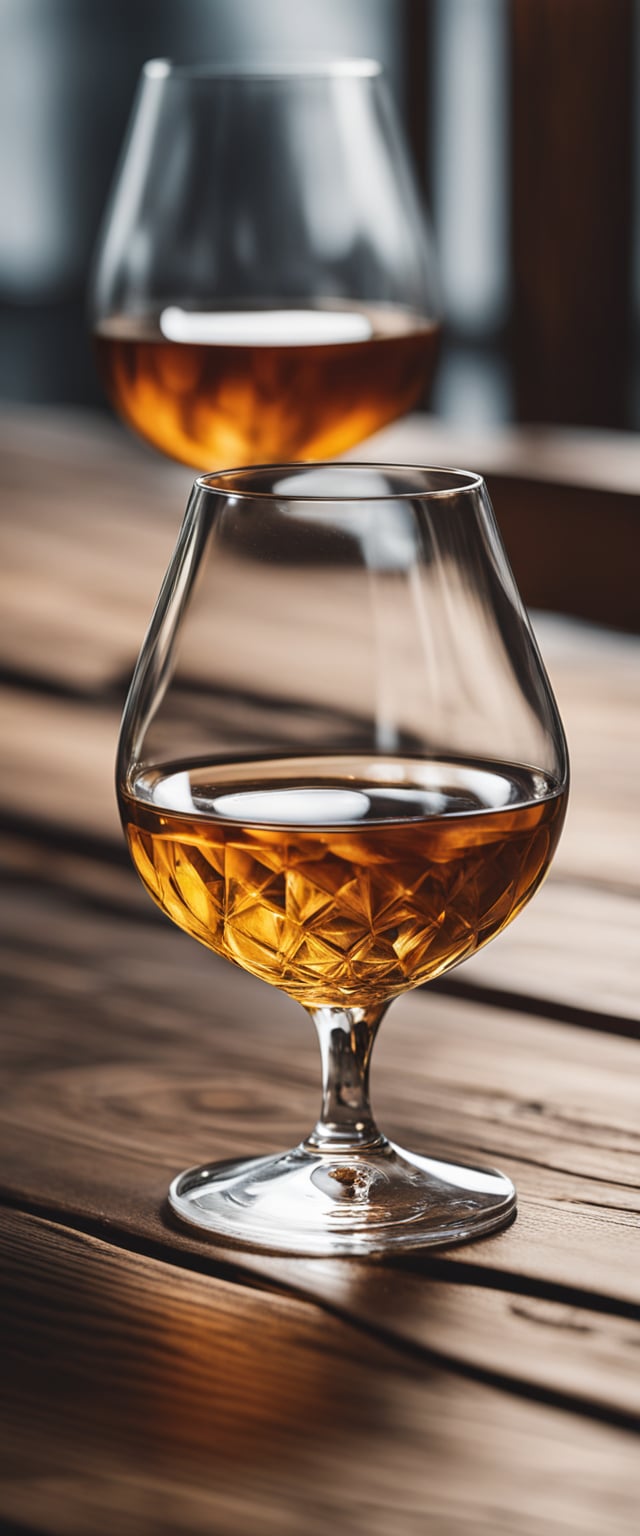
Sustainable Alcohol-Free Spirits for a Greener Alternative
In previous articles, we explored the environmental consequences of traditional alcohol production and the shift in consumers’ preferences towards sustainable. So, let’s get into the world of alcohol-free sustainable spirits and discover what they’re doing to pave the way towards a more eco-friendly and more sustainable future.
The Beginning of Sustainable Alcohol-Free Spirits
The concept of alcohol-free spirits might appear odd at first glance. After all, spirits have long been associated with alcoholic content. However, new and innovative distilleries are changing the perception with alcohol-free alternatives which reflect the spirit of traditional spirits without alcohol.
What Are Sustainable Alcohol-Free Spirits?
Sustainable spirits that are alcohol-free, also referred to as “spirits alternatives,” can be described as drinks that are reminiscent of the flavors, aromas, and sophistication of traditional spirits, yet are alcohol-free and contain a minimum amount of. They are created using various botanicals, spices, herbs and various other ingredients of nature, and are selected with care to create a distinctive sensory experience.
The Environmental Benefits
1. A reduced footprint for water and land
One of many significant environmental advantages of a sustainable alcohol-free spirits is that they leave less surface area and footprint on the water. The difference between traditional production of alcohol which requires large amounts of agricultural land and water for crop cultivation Spirits alternatives tend to obtain their ingredients more efficiently. This means that less resources are consumed, freeing more land and water for other uses that are sustainable.
2. Lower Energy Consumption
It is the case that making alcohol-free spirits generally uses less energy with respect to traditional distillation and maturation. This means a lower carbon footprint and lower Greenhouse gas emissions. As the world struggles with the effects of climate changes, these energy savings are becoming increasingly important.
3. A Minimal Use of Chemicals
Sustainable alcohol-free spirits are crafted by focusing on sustainability and purity. That means there is no chemicals, pesticides or fertilizers have been used in their production. In avoiding toxic chemicals frequently used in conventional agriculture, these alternative methods aid in healthier ecosystems and clean water sources.
Meeting Consumer Demand
The modern consumer is more informed and conscious in their decisions. They are seeking products that match with their values, including social and environmental sustainability. Sustainable alcohol-free spirits respond to the growing demand for sustainable spirits by offering alcohol-free, eco-friendly and stress-free drinking.
These items are not just embraced by those abstaining from alcohol, but also by those who want to lessen their intake, for health, social, or personal reasons.
What’s ahead
In the next part we’ll take a look at notable EU distilleries and brands that have taken a stand for sustainable alcohol-free spirits. We’ll take a closer review of their unique approaches as well as their unique offerings and their impact on the spirits industry.
Continue reading: In the forefront of Green Revolution: EU Sustainable Alcohol-Free Spirits Brands
Keywords: environmentally sustainable spirits that do not contain alcohol alternatives to spirits, eco benefits, lower land and water footprint, less consumption of energy, low chemical usage, meeting the needs of consumers, EU brands, distilleries innovating approaches, guiding this green movement.
The leader of this way is the Green Revolution: EU Sustainable Brands for Alcohol-Free Spirits
As consumer attitudes continue to shift towards environmental sustainability in the 21st century, a lot of European Union (EU) distilleries and brands are leading the way in the production of environmentally friendly alcohol-free spirits. In this section, we will explore some notable EU brands and distilleries who have joined the green revolution and are making waves in the spirits industry.
The Rise of EU-based Sustainable Alcohol-Free Spirits Brands
A Commitment to Sustainability
EU brand distilleries have long tradition of producing premium spirits. As the world confronts environmental challenges the companies are taking on their new mission: sustainability. They recognize the need to reduce their carbon footprint, conserve natural resources and encourage sustainable consumption.
Innovative Approaches
In an effort to be sustainable, EU brands are employing innovative strategies for alcohol-free spirit production. The methods involve local made, organic ingredients as well as adopting methods for production that use less energy and even implementing circular economy principles.
Relevant EU Sustainable Food and Drink Brands with Alcohol-Free Ingredients
1. Seedlip
-
Background Seedlip can be considered one of pioneers of the sustainable alcohol-free spirits movement. The brand was established in the United Kingdom, the brand has been recognized internationally for its innovative spirit alternatives.
-
Sustainability Programs Seedlip places great emphasis on sustainable practices, sourcing their ingredients from farms locally and using eco-friendly packaging. They’ve also rolled out initiatives to promote biodiversity and conservation.
2. Rutte
-
Background: Rutte – a Dutch distillery that has a long background dating back to 1872. The company has introduced a selection of alcohol-free spirits which honor their tradition while encouraging sustainability.
-
Sustainability-related Initiatives Rutte emphasizes using natural ingredients and reducing waste in their production processes. They also take part in eco-friendly initiatives in their local neighborhood.
3. CalenIfo
-
The background: CalenIfo originates from Spain, is known for its bright and tropically-inspired spirits that are alcohol-free and ideal for cocktails or social gatherings.
-
Sustainability Projects CalenIfo has committed to sourcing ingredients in a responsible manner and encouraging ethical labor practices as well as reducing their impact on the environment.
Impact on the Spirits Industry
These EU organic alcohol-free spirits provide not only eco-friendly alternatives to standard spirits but encouraging change in the industry. As they gain popularity, other distilleries and brands are starting to notice and beginning to adopt more sustainable methods of production.
The growth of these companies reflects an increasing awareness of environmental issues and a desire to consume responsibly and sustainably by consumers. It’s evident that sustainability isn’t just a trendy trend, but is becoming a vital aspect of the spirits industry’s future.
In the next section, we will take a closer review of the global impact of alcohol-free spirits that are sustainable and their role for shaping the next generation of beverages.
Continue to read: Shaping the Future Global Impact of sustainable alcohol-free Spirits
Keywords: EU sustainability of alcohol free spirits committed to sustainability, new methods of thinking, Seedlip, Rutte, CalenIfo’s impacts on the spirits industry responsible consumption, the future of the industry of drinks.
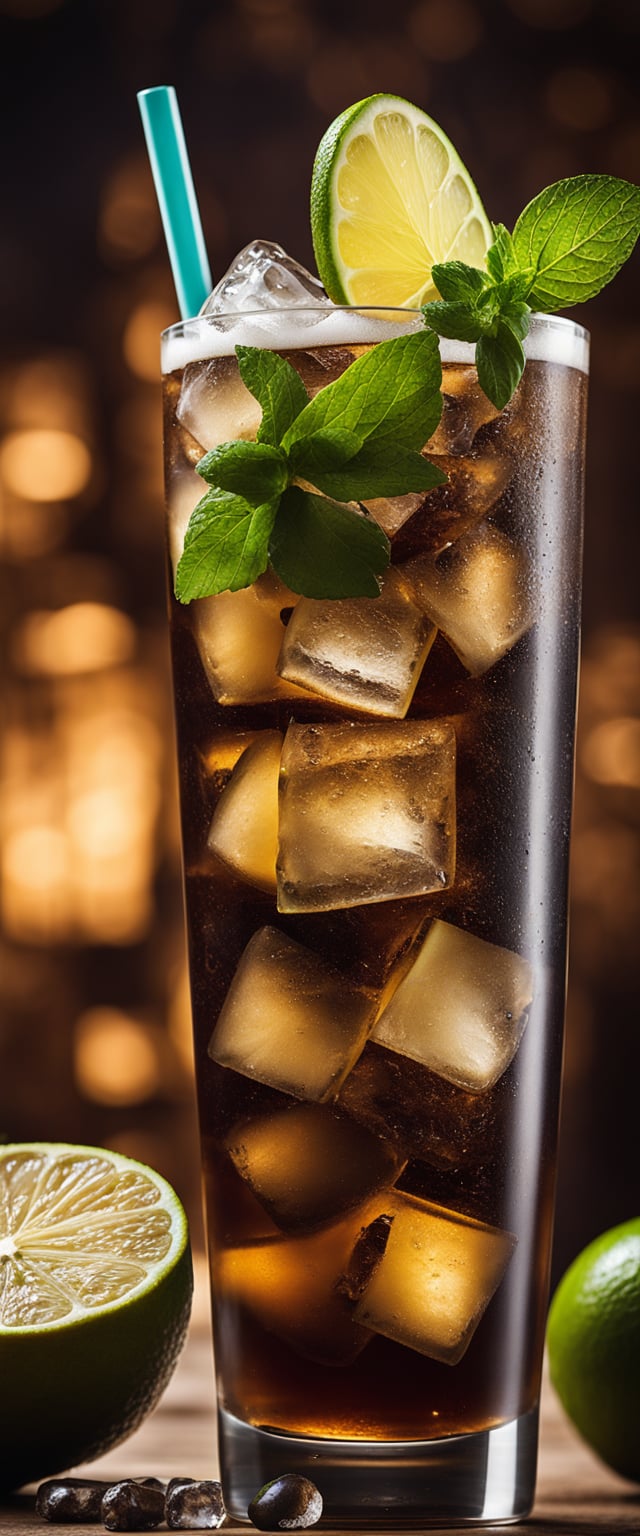
How to shape the future The Global Effects of a Sustainable Alcohol-Free Spirit
In the preceding sections we began a journey to explore the changing world of alcohol-free, sustainable spirits that are part of the European Union (EU). We examined the EU’s commitment towards sustainability, innovative methods and a number of notable EU brands leading in the Green Revolution. This is the final installment, let us broaden our focus to analyze the global impact of sustainable alcohol-free spirits, as well as their impact on an industry that will be able to thrive in the years ahead.
A Worldwide Shift Towards Sustainability
A Global Phenomenon
The EU has been a leader in producing alcohol-free spirits in a sustainable manner and consumption, the movement is not limited to its territorial boundaries. Around the globe, from North America to Asia, distilleries, brands and distilleries are becoming aware of the importance of environmental responsibility and sustainability in the production of spirits.
Consumer Demand
One of the driving forces behind this global trend is the rising demands of consumers for sustainable and eco-friendly products. Nowadays, consumers are not just looking for quality in their beverages, but they also want sustainability. They are looking for choices which align with their beliefs and lessen their impact on the environment.
Expanding the Horizons of Brands Beyond Borders
Beyond the EU
We’ve already discussed in other sections In the meantime, the EU has several well-known brands that are committed towards sustainability. But we must not ignore the work of distilleries in other regions. Brands from such as the United States, Canada, Australia as well as other Asian countries are also making waves in the environmentally sustainable alcohol-free spirits landscape.
Unique Techniques and Flavors
What sets these global labels apart is their distinctive regional flavors and production techniques. For instance, American brands may draw inspiration from local plants, while Asian distilleries are often infused with their products with traditional spices and herbs.
The impact has on Spirits Industry
The efforts of distilleries and brands worldwide are making a huge impact on the world of spirits. Here’s how:
Inspiring Change
The popularity and acceptance of alcohol-free brands that are sustainable are encouraging traditional distilleries as well as beverage companies to reevaluate the way they operate. We are seeing an increasing number of industry leaders adopting environmentally-friendly practices and sustainable production practices.
A Sustainable Future
Sustainability is no longer a trend, but an underlying direction for the future of the industry. From the reduction of carbon emissions all the way to conserving the resources of water Spirit producers are taking on the role of stewards of the environment.
In conclusion: A toast to Sustainability
In this series we’ve conducted a deep look at the world of sustainable alcohol-free spirits, from their inception and cutting-edge production techniques up to renowned EU and global brands. This journey has shown the power of sustainability to transform within the industry of spirits.
When we pour our glasses in celebration of these groundbreaking advances to celebrate, we realize that the green revolution in spirits isn’t only a trend that is passing, but an entire paradigm change. This is a transition towards an environmentally responsible, sustainable as well as eco-friendly option for our favorite beverages.
So that’s why, whether you’re sipping a Seedlip cocktail while in London and a Rutte-inspired recipe in Amsterdam, or tasting the exotic tastes offered by CalenIfo Madrid Be aware that your choice contributes to a greener, more sustainable world.
We thank you for taking us on this informative journey through the world of sustainable alcohol-free spirits. As we close this chapter let’s carry the ethos of sustainability forward and make conscious choices about our choices of drinks.
Recap of the Series:
-
The rise of EU Sustainable Alcohol-Free Spirits Brands
-
Sustainable, Alcohol-Free Spirits: Unified Perspective
-
Modern Production Strategies for sustainable alcohol-free Spirits
-
Brands that are notable in the Sustainability Alcohol Free Spirits Movement
-
Shape the Future The Global Impact of Sustainable Alcohol-Free Spirits
Alcohol-Free Spirits against. Traditional Spirits in the UK A Must-Read Battle for Health-Conscious Drinkers!
In the last few times, the world of beverages is witnessing a radical change. As people increasingly focus on their fitness and overall health, the demand for alcohol-free alternatives has skyrocketed. It is evident that in United Kingdom, this trend has been manifested in an enthralling competition between alcohol-free spirits and traditional drinks.
Knowing the Shift
Alcohol-free spirits (often referred to as “non-alcoholic” or “alcohol-free” alternatives have gained popularity by those who are looking for an improved and healthier drinking experience. These beverages are designed to recreate the essence of and flavor of traditional spirits, but without the alcohol amount.
But what’s driving this transition towards traditional spirits? It’s a combination of factors. Health-conscious individuals are increasingly aware of the impact of excess alcohol consumption on their overall health. This has led to the demand for alternatives that allow an enjoyable experience of drinking a classic cocktail, without the drawbacks of alcohol.
The Alcohol-Free Spirit Phenomenon
Definiting Alcohol-Free Spirits
Alcohol-free spirits have been crafted with preciseness, combining botanicals spices, and herbs in order to produce complex and delicious drinks. They are carefully distilled to remove the essence of these ingredients and provide a distinctive flavor that is comparable to traditional spirits.
Its Ingredients as well as the Process
The production of alcohol-free spirits is a meticulous technique. The producers carefully choose the right botanicals, spices and herbs, typically sourced from all over the world, in order to create distinctive and appealing flavor profile. They then mix these ingredients with water and distilled creating a concentrated fluid that has the essence of chosen elements.
The Rise in Popularity
In the UK drinks that are alcohol-free have seen an increase in popularity due to the rapid development within the industry of beverages. Leading brands have come up with various alcohol-free options that meet different preferences and tastes. This diversity makes it simpler for consumers to shift between traditional spirit brands and their alcohol-free counterparts.
Why do people choose to go for spirits with no alcohol? It’s not just about health. These beverages offer a versatile surface for mixologists in creating exquisite alcohol-free drinks. They’ve become a symbol of luxury and choice catering to those who want to enjoy a drink without the alcohol content.
In the next section in the next section, we’ll look into the tradition of traditional spirits and explore their rich history as well as their cultural importance to the UK. In addition, we’ll look at the fundamental differences between alcohol-free and traditional spirits, to help you decide on the best choice for when you’re ready to drink.
Follow us while we take your on an unforgettable journey through tradition of traditional spirits as well as the alcohol-free alternative.
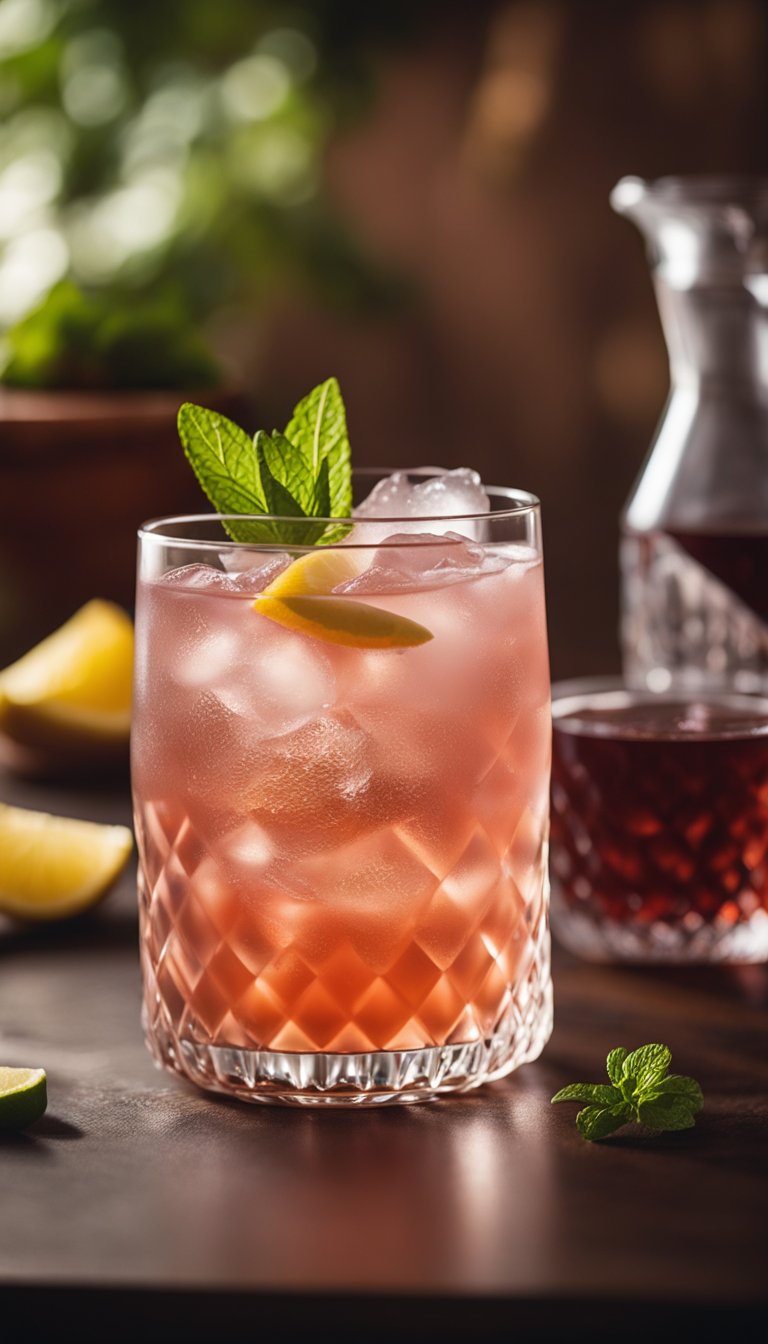
Traditional Spirits: A Look into the UK’s Liquid History
In the charming pubs, charming bars, and elegant cocktail lounges of the United Kingdom, traditional spirits are a long-standing as a part of the nation’s history and heritage. No matter if they’re consumed straight or blended in classic drinks, the timeless spirits have a rich and long-running past that goes back hundreds of years.
Legacy of Traditional Spirits: The Legacy of Traditional Spirits
A Whiskey Tale
A popular and recognizable and revered old-fashioned spirits are whiskey. It’s pronounced “whisky” throughout the UK. Scotch whisky, particularly has gained international recognition for its rich flavours and its time-tested manufacturing. The origins of Scotch whisky date back to the early 15th century, which makes it among the oldest distillations in the world.
Gin From Medicina to Mixology
Gin, another adored traditional spirit, has a colorful history in the UK. Originally developed for medicinal purposes but it exploded in popularity in the late 18th century when it became the foundation for the well-known cocktail, Gin and Tonic. It has since been an integral component of mixology. It has a diverse variety of flavors that botanicals can explore.
How to Make the Art of Distillation
The Distillation Process
Traditional spirits like vodka, whiskey, gin and rum are made through a meticulous process, known as distillation. The method involves heating a fermented liquor to make steam, then cooling it down to condense vapor back into a liquid form. The result is a concentrated alcohol spirit that preserves the distinctive flavours of the ingredients that were included in the ferment.
The role of aging
The process of aging is a vital aspect of the production process for traditional spirits, especially whiskey. The whiskey is usually stored in wooden barrels, typically oak, for a period of years. Through this period, it undergoes chemical adjustments that give it complex flavors, aromas and a smooth taste.
Tradition meets Innovation
While traditional spirits still hold an enviable place in heart of a majority of UK residents, the alcohol landscape is evolving. The rise of alcohol-free spirits has created a new dimension to the world of drinks that is challenging the conventional notions about what a spirit is supposed to be.
In the next section we’ll explore the major differences between alcohol-free spirits and their more traditional counterparts. We’ll look at the flavors of the various flavors, their versatility, and the health elements that make them stand out. Be it a lifelong lover of traditional spirits or you’re a newcomer, understanding these differences can help you make educated decisions about the drinks you’ll be drinking at your next gathering.
Join us as our journey takes us to the intriguing intersection of tradition and innovation in the world of spirits. In Section 3, we’ll look into the fascinating spirit world that is alcohol free in the UK.
Your Direct Route to Non-Alcoholic Excellence: Bulk Order from Swedish Distillers!
The importance of embracing the Alcohol-Free Revolution: Spirits for a New Generation
While the sunset sets across the British cities’ bustling centers and peaceful countryside, a peaceful revolution is happening with regard to spirits. While traditional spirits like whiskey and gin have long been adored by those in the British nightlife, a new rival has emerged, poised reshape the landscape – alcohol-free spirits.
A Sobering Shift in Perspective
Sobriety Movement Sobriety Movement
In recent times, the movement to sobriety is gaining momentum in the UK and around the world. Increasingly, people are seeking other alternatives to consuming alcohol which permit people to experience the joy of gatherings with no adverse effects of alcohol. This shift in society has paved an opening for growth the popularity of non-alcoholic spirits.
The Answer to a Question of Health
The health-conscious consumer is also driving demand for alcohol-free options. There are many who worry about the negative consequences of alcohol consumption, which includes problems with the liver as well as a higher likelihood of contracting certain illnesses. Alcohol-free spirits are a great way to enjoy the tastes and rituals associated with drinking alcohol without the health risks.
Uncovering the Myth of Alcohol-Free Spirits
Flavorful Alternatives
Alcohol-free spirits, often called “spirits alternative”, or “non-alcoholic spirits,” can be made to mimic the distinctive flavor of traditional spirits. It doesn’t matter if you’re seeking the smoky flavor of whiskey, flavor of gin’s botanical nuances, or the delicious smoky vodka, there’s a alcohol-free alternative to satisfy your taste.
Botanical Blends
Many alcohol-free spirits are created by mixing a wide range of herb, spices and fruits. The ingredients carefully chosen are either macerated or distilled to extract their flavor making a drink that embodies the essence of traditional spirits.
Null Proof Complete Experience
One of the most intriguing advantages of alcohol free spirits is their capacity to provide a complete sensory experience, without the consequences of alcohol. You can enjoy the scent along with the taste and the tingling sensation of a good alcohol-free spirit that is well-crafted, all while remaining sober.
Mixing and Matching: The Versatility of Spirits that are alcohol-free Spirits
Cocktail Creativity
One of my favorite aspects of spirits that are alcohol free is their flexibility in mixing. Much like alcohol-based spirits they can be used to create numerous cocktails. From alcohol-free mojitos, to virgin G&Ts, the possibilities are limitless.
Pairing Possibilities
Alcohol-free spirits pair well when mixed with other mixers. This allows you to make refreshing and sophisticated drinks. It doesn’t matter whether you prefer tonic water, soda, or even fresh fruit juices you can find an alcohol-free spirit to satisfy your taste buds.
What’s the Future of Drinking
As we raise our glasses to the exciting drinking world that alcohol-free drinks offer, it’s clear that these aren’t only a trend that’s passing, but a fundamental shift in how we think about drinking. Whether you’re choosing sobriety, taking care of your health first, or just trying new flavors the alcohol-free spirit offers an inclusive and lively drinking experience.
In the next segment we’ll examine how alcohol-free spirits compare against their counterparts from the past. In this section, we’ll focus on the key differences in flavor, ingredients and consumption, assisting you make informed choices about your favorite spirit.
Join us as we embark on a culinary journey that helps bridge the gap between tradition and innovation. In the fourth section we’ll be comparing alcohol-free spirits to traditional spirits, highlighting their distinctive qualities and benefits.

A Taste Showdown The Showdown: Alcohol-Free Spirits against. Traditional Spirits
In the ever-changing world of beverages, a fascinating debate is brewing – alcohol-free spirits as opposed to. conventional spirits. As consumers look for alternatives traditional alcoholic drinks alcohol-free spirits have emerged as an excellent competition. In this section, we’ll dissect the key distinctions between these two categories and explore flavor profiles, ingredients, and the total drinking experience.
Flavor: A Symphony of Tastes
Alcohol-Free Spirits
In terms of the taste, alcohol-free spirits have been created to delight. These spirit alternatives boast various profiles that are suited to different tastes. You’ll likely find alcohol-free options that mimic the rich, smoky aroma from whiskey. You can also enjoy the floral richness of gin or the sweet caramel undertones of rum.
Bold Botanicals
Many alcohol-free spirits rely on botanical components like coriander, juniper, and citrus peels to develop their distinctive flavors. These botanicals are selected with care and macerated or distilled to produce unique taste profiles making sure that every drink is an enjoyable experience.
Traditional Spirits
Traditional spirits for a long time have reigned over the other spirits in terms of flavor. Whiskey, gin Rum, whisky, and other classics have become staples in the world of mixology. Their distinct flavors result of complex distillation procedures, aging in barrels, and a careful decision-making process for the selection of components.
Aged Elegance
Traditional spirits are often benefited by the aging process in wooden barrels that impart distinct flavors. Whiskey, in particular, has its distinctive flavor due to the interaction between the spirit and the wood. The process of aging leads to the development of flavour profiles that could include aromas of caramel, vanilla, and oak.
Ingredients: Crafting Complexity
Alcohol-Free Spirits
Crafting alcohol-free spirits is a craft which is dependent on botanical mastery. Distillers and producers choose the most harmonious combination of botanicals such as spices, herbs, and fruits to make the most balanced and delicious drink. These ingredients are then used in various ways to extract their essence, all without the use of alcohol.
Traditional Spirits
Traditional spirits have a well-defined set of ingredients. For instance whiskey is composed of fermented grain mash Gin’s main botanical is juniper. Traditional distillation comes from the distillation process. In this, alcohol is a key ingredient.
Consumption: A Sobering Experience
Alcohol-Free Spirits
One of the biggest advantages of alcohol-free spirits ‘ ability to give you a full-sensory pleasure without the side effects of alcohol. You can enjoy the smell or taste and the mild burn of a good alcohol-free spirit that is well-crafted, all whilst maintaining your perfect sobriety. This makes them a logical choice for those wanting to relish the ritual of drinking, without the negative effects of alcohol-related intoxication.
Traditional Spirits
The traditional spirits, like the names suggest, contain alcohol. They offer a wide and varied taste but they also carry the negative effects of drinking alcohol including intoxication, impairment, and possible health risks.
An Evolutionary shift in drinking habits
As we compare spirits without alcohol to their traditional counterparts it becomes apparent that each type has its particular advantages and strengths. Alcohol-free spirits can provide an enjoyable and lively drinking experience, accommodating the requirements of those who seek sobriety and health-consciousness, or simply prefer new flavors.
In the next segment we’ll look at the practical aspects when incorporating alcohol-free liquors in your routine. From creating delicious cocktails to drinking in a single sip In this section, we’ll learn about the variety and creativity they bring in the field of beverages.
After we’ve looked at the taste, ingredients, and drinking of alcohol-free spirits vs. classic spirits let’s take a look at Section 5 in which we’ll furnish you with practical tips and recipes to enjoy spirits that are alcohol-free in a variety of ways.
Discovering the Art of Drinking Spirits without alcohol Spirits
We’re pleased to present the conclusion of our series of five parts on spirits that are alcohol-free with a focus on. traditional spirits. In previous parts we’ve explored the nuance regarding flavor, ingredients and the overall drinking experience in both categories. In Section 5, we set off on a quest to explore the benefits and practical aspects of incorporating alcohol-free spirits into your everyday routine.
Creating Crafted Cocktails The World of Possibilities
The Art of Crafting the Perfect Mocktail
One of the best things about these spirits that do not contain alcohol is their flexibility in mixology. When you’re hosting a celebration or just relaxing after an exhausting day, you could use alcohol-free spirits the base for an array of delicious mocktails. Here are some ideas to help you get to get started:
-
Citrus Bliss: Mix alcohol-free gin with Elderflower syrup, as well as a splash of soda water for a zesty and refreshing mix.
-
Minty Elegance: Mix rum that is alcohol-free with crushed mint leaves together with lime juice and just a hint of simple syrup to create an unadulterated mojito bursting with flavor.
-
Berry Breeze: Blend alcohol-free vodka with mixed the berries, juice of cranberry, with a dash of agave nectar. It’s an exotic and lively mocktail.
The Elevation of Classic Cocktails
You don’t have to forego classic cocktails when opting for spirits that are alcohol-free. With a little creativity, you can recreate beloved favorites but without alcohol:
-
Virgin Martini: Alternate traditional gin or vodka with alcohol-free gin, add several drops of vermouth, then garnish with an olive twist or lemon to make a sophisticated mock martini.
-
“Nojito,” This mojito that is alcohol-free replaces rum using alcohol-free giving a crisp and refreshing twist on the original.
Sipping in Style: Cool and on the rocks
Alcohol-free spirits aren’t just meant for mixing. They’re also designed for sipping. Pour them over ice, or take them in a glass, just the way you would drink traditional spirits. Here are some popular options for savoring alcohol-free spirits:
-
Alcohol-Free Whiskey: Sip it slowly, and taste the unique flavors of traditional whiskey, minus the alcohol.
-
Gin Alternates: Enjoy the botanical complexity of alcohol-free gin by enjoying it by drinking it straight or over ice, garnished with your favourite flowers.
-
Rum Substitutes: Find the deep and sweet flavors of rum that is alcohol-free, and can be sipped by itself or as a base to make tropical-themed mocktails.
Frequently Asked Questions about Alcohol-Free Spirits
Q1: Can I mix alcohol-free spirits with traditional spirits as cocktails?
Absolutely! Mixing alcohol-free spirits with traditional spirits can create distinct flavors, as well as decrease the amount of alcohol in your drink.
Q2 Do alcohol-free drinks work for people who are in recovery?
Yes, alcohol-free spirits are an the best choice for those in recovery because they give the taste and enjoyment of spirits but with no alcohol.
Q3 Are spirits without alcohol lower in calories than traditional spirits?
In general, alcohol-free spirits tend to be less calorific relative to their alcoholic counterparts. However the exact amount of calories may differ based on the brand and type and type.
Conclusion: The World of Spirits that are Alcohol-Free Spirits Awaits
In this comprehensive collection, we’ve examined the intriguing world of alcohol-free spirits. We’ve compared their traditional spirits in terms of flavor, ingredient, consumption, and practical use. It’s evident that alcohol-free spirits aren’t just an emerging trend. They represent an inclusive and dynamic way of drinking.
Whatever you decide to do, whether it’s for health reasons, as part of the sober lifestyle or simply to widen the choices for your beverages There is a plethora of options. From making sophisticated mocktails to enjoying them on the rocks and on the rocks, your choices are endless.
While you embark on your adventure of discovering alcohol-free spirits keep in mind to enjoy the aromas, experiment with mixology, as well as enjoy the excitement of drinking alcohol free. A toast to a lively and wide-ranging world of drinks!
To go back through any portion of this collection or to dig further into the topics covered follow the hyperlinks below:
-
Section 1: The Essentials in Alcohol Free Spirits
-
Section 2: Crafting Alcohol-Free Spirits
-
Section 3: The Rise of Alcohol-Free Spirit Brands
-
4. Flavorful Experiences Taste alcohol-free Spirits
We thank you for taking part in this journey through spirits that are alcohol-free. We are hoping that you will find this series instructive and inspirational. When you step into an alcohol-free world beverages will you be able to discover delight, enthusiasm, and celebration.