alcohol-free liquor
Enjoy a healthier life with Alcohol-Free Spirits from the UK: Your Path to Health Starts Now!
In the last few decades, there’s an amazing shift in method that people in United Kingdom approach their drinking behaviors. A growing trend that’s getting the eye of many is a conscious decision to adopt an alcohol-free way of life. The allure of a healthier better balanced lifestyle is causing a spike in the need for alternatives to alcohol, and among the top of this movement are alcohol-free spirit.
The rise of alcohol-free Living
Abstaining from alcohol-related drinking is no longer a fringe thought the movement is now fully established. The UK, along with other parts of the world, has experienced significant increases in numbers of people choosing to not drink alcohol. It doesn’t matter if it’s due to health issues as well as personal preferences or simply a desire be more mindful this trend is undeniable.
Statistics draw a vivid picture of this shift. According to a study of recent drinking alcoholic drinks throughout the UK has steadily declining throughout the last decade. The sales of alcohol-free alternatives have experienced a rapid increase. This change isn’t just restricted to specific age groups; the trend spans generations starting from young adults and up to seniors.
The trend towards a more alcohol-free lifestyle is a result of a variety of factors, but one common thread that binds them all together an effort to live an healthier and more energetic life. More and more people are realizing that alcohol isn’t necessary in order to have a good time or to unwind. Instead, they are opting for alcohol-free spirits as a way to make a positive difference in their lives.
So, what exactly are these spirits that don’t contain alcohol, and why are they becoming the drink of choice for health-conscious consumers across the UK? Let’s investigate the world of alcohol free spirits to find out.
[Next Next: Alcohol-Free Spirits What are they? ]

Alcohol-Free Spirits: What Are They?
The idea of alcohol-free spirits may sound as if it’s an oddity to certain people, but it’s actually a rapidly growing niche within the realm of beverages. These intriguing concoctions are at the core of the alcohol-free revolution taking place in the United Kingdom, offering an exciting alternative for those seeking better health without losing quality or taste.
Deciphering Alcohol-Free Spirits
To appreciate the great appeal of alcohol-free spirits, it is essential to know what they are and what they are different from their traditional alcohol-based spirits.
Alcohol-free spirits (also known as or non-alcoholic spirits or spirits alternatives can be described as drinks carefully constructed to mimic the flavor and taste of traditional alcoholic spirits like gin, vodka whisky, rum, or. What makes them distinct is the alcohol content, which is virtually zero, often containing less than 0.5% alcohol-by-volume (ABV). This tiny ABV is far below the limit that is legally required for declaring a drink “non-alcoholic.”
The Distillation Dilemma
The most important aspect of making alcohol-free spirits is the issue to capture the distinct flavors and aromas that make traditional spirits so appealing. Traditional spirits often derive their flavor from the distillation and fermentation process, where alcohol is concentrated and infused with various plants, fruits, or grains.
Alcohol-free spirits mimic this complexity with no alcohol percentage. Instead of distillation, they make use of alternatives like steam distillation, maceration or even cold press to extract the flavors of botanicals and ingredients. This careful process allows alcohol-free spirits keep the flavor of their alcohol-based counterparts while steering clear of intoxication.
Variety and versatility
One of the most exciting features of alcohol-free spirits the wide variety of options available. From traditional gin options that represent the essence of London dry gin to whiskies that are alcohol-free and offer the smoky, woody notes similar to its alcoholic counterpart There are a myriad of options and varied.
Here are some of the most well-known types of spirits that are alcohol-free:
-
Alcohol-Free Gin: Made from plants like coriander, juniper and citrus peels, alcohol-free Gin has the same scent and aroma as traditional gin. It’s great for creating cocktail drinks without alcohol such as alcohol free gin and tonic.
-
Non-Alcoholic Whiskey created to mimic the oaky, rich and often smoky flavors that whiskey has, the non-alcoholic whisky is an excellent alternative for people who enjoy sipping whiskey neat or mixing it with cocktails.
-
Zero-Proof Rum Rum that is alcohol-free brings the sweet and spicy flavors of the Caribbean to your glass without the alcohol kick. It can be used to make mojitos, piA+-a coladas, and other alcohol-free drinks.
-
Alcohol-free Vodka is a great choice for those who prefer pure, neutral spirits Non-alcoholic vodka is able to maintain the refreshing flavor of traditional vodka and is an essential component in alcohol-free martini recipes.
[Next: The Benefits of Alcohol-Free Spirits for Health[Next: The Health Benefits of Alcohol-Free Spirits
Stock Up Directly: Choose Swedish Distillers for Bulk Non-Alcoholic Spirits Excellence!
The Health Benefits of Alcohol-Free Spirits
The demand for alcohol-free spirits rises but it’s more than offering a healthier alternative to traditional alcoholic beverages. There’s an incredible array of health benefits that come with drinking alcohol-free spirits which make them a significant supplement to a healthier way of life for people in the UK.
Lower Alcohol Intake
One of the obvious benefits of drinking drinks that do not contain alcohol is making it easier to cut down on alcohol consumption. While occasional alcohol consumption may be a normal part of a balanced life for certain individuals, excessive or frequent consumption of alcohol could cause various health issues, including liver disease, heart conditions, and addiction.
By opting for alcohol-free spirits you will be able to enjoy all the flavor and rituals associated to alcohol drinks without the risk of alcohol consumption. This choice aligns with the trend of moderation and mindfulness in drinking behavior.
Fewer Calories
Traditional alcoholic spirits are very calorie-dense typically stuffed by empty calories that offer minimal nutritional worth. Alcohol-free spirits on the other hand, are typically considerably lower in calories. This is particularly popular for those conscious of their diet in order to manage or shed weight.
Alcohol-free spirits could save you hundreds of calories in a serving they are an appealing choice for those looking to make healthier decisions but still enjoying the pleasure of a delicious drink. Whether you’re enjoying an intoxicant-free G&T or a vodka-free cocktail, you’ll appreciate the flavor without worrying about excessive calories.
Improved Quality of Sleep
In particular, drinking alcohol in the evening, can disrupt your routine sleep and lead to poor quality sleep. Alcohol-free spirits are a great option for those who want to relax and have a calming drink prior to bedtime without having a negative impact on sleep.
Alcohol-free spirit won’t interfere with your sleep cycles this allows you to feel more energized and awake. This is especially helpful for individuals who struggle with sleep problems or just want to make a priority of their sleep hygiene.
Better Digestive Health
In excess, alcohol consumption can harm the digestion system which can lead to problems such as gastritis, acid reflux, in some cases, even ulcers. Alcohol-free spirit is a safer alternative for those with sensitive stomachs, or for those who wish to improve their digestion.
Alcohol-free spirits do not trigger the digestive distress associated with alcohol therefore they’re an ideal choice for those suffering from digestive issues.
Safer for Pregnant Individuals
Females who are pregnant should stay away from alcohol due to the possibility of harm to the growing fetus. Yet, they may be tempted to sip a drink like their favorite alcohol drink. This is where alcohol-free spirits shine since they provide a safe and enjoyable option for women during pregnancy.
[Next: The rise of alcohol-free spirits in the UK [Next: The Rise of Alcohol-Free Spirits in the United Kingdom
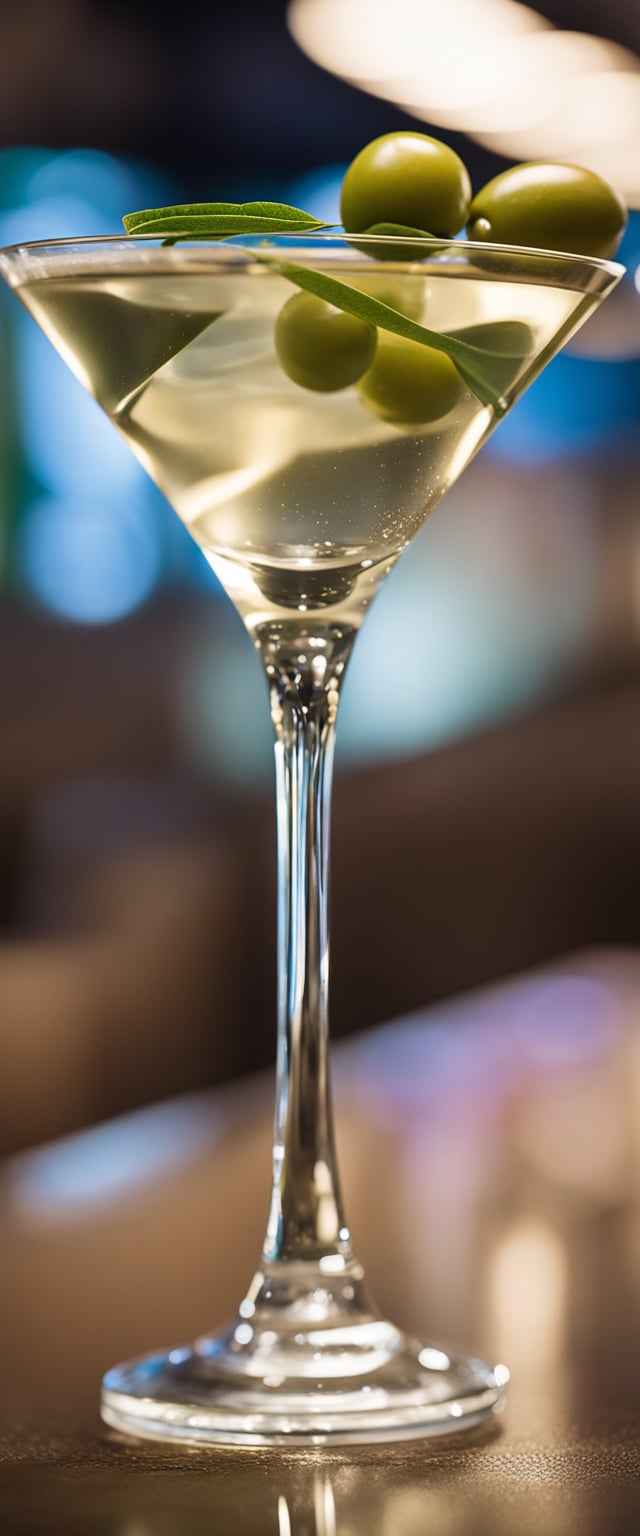
The rise of alcohol-free Spirits in the UK
As the movement towards health and wellness gets more popular, people in the UK are increasingly looking for alternatives to traditional beverages. A notable trend that’s gained momentum is the rise in popularity of spirits that are alcohol free. In this section we’ll examine why there is a rise of alcohol-free liquors in the UK as well as what the trend signifies for consumers.
Shifting Consumer Preferences
Consumers in the UK are becoming more health-conscious and conscious of their drinking habits. This shift in consumer preferences is prompted by a desire for an improved lifestyle as well as an greater awareness of the risk to health associated with excessive consumption of alcohol.
Alcohol-free spirits provide the opportunity to experience the drinks and the rituals without the harmful health consequences that alcohol can have. This is in perfect alignment with growing tastes and the values of consumers today who are seeking alternatives that promote well-being.
The latest innovations in flavor and quality
The days of alternatives that were alcohol-free were simple soft drinks or juices. The market for alcohol-free spirits is experiencing a boom in creativity, with brands producing sophisticated, high-end non-alcoholic alternatives.
From alcohol-free, gin that captures nature of plants, to alcohol-free whiskeys which replicate rich, oak-aged aromas, these beverages are designed to create a sensory experience equal to that of alcohol.
Social and Cultural Shifts
The way that people socialize and party during the UK has also changed. The old-fashioned pub culture remains alive However, there’s an increasing awareness of the necessity for welcoming alternatives for people who don’t drink who are designated drivers or those who do not want to consume alcohol.
Alcohol-free spirits help to help bridge the gap and making it easier for everyone to participate in the celebrations without feeling left out. They’re a good choice for any occasion, ranging from casual evenings in the evening to formal parties.
Supportive Legislation
The UK government has rolled out a range of initiatives to encourage responsible drinking and reduce alcohol-related harm. This includes stricter rules on alcohol advertising and campaigns to increase awareness of the health risks associated with alcohol consumption.
Alcohol-free spirits are a good fit in this context, offering a choice that encourages responsible drinking and moderation.
The Next Stage: Discovering the Best Alcohol-Free Spirits
With the demand for spirits with no alcohol is increasing, consumers in the UK have access to an ever-growing array of choices. From alcohol-free tonics and gin or cola, to alcohol-free spirits like rum and, the choices are vast and varied.
In the next segment, we will explore some of our favorite spirits with no alcohol in the UK as well as provide information on how to choose the perfect one for your taste preferences.
[Next: Exploring the Best Alcohol-Free Spirits available in the UK [Next : Exploring the Best Alcohol Free Spirits in the UK
The Attractiveness of Alcohol-Free Spirits in Europe: A Recap
In our trip through the world of spirits without alcohol, we’ve come across various flavors as well as technological advancements and lifestyle changes. In this final section we’ll review the most important aspects of each article and look into the bigger consequences of the rising popularity of alcohol-free spirits across Europe.
Article 1: The Rise of Alcohol-Free Spirits from the UK
In our very first piece, we looked into the causes of the rising popularity of spirits that are alcohol-free in the UK. We discovered that changing preference of consumers for healthier lifestyles, improvements in flavor and quality, changes in culture and society as well as supportive legislation have all contributed to the growth of this trend.
Article 2: Discovering the Top Alcohol-Free Spirits available in the UK
In our last article, we looked into the world of alcohol-free spirits in the UK. We explored the various options available, from alcohol-free gin and tonic as well as alcohol-free rum and cola by providing insight into how people can select the most suitable alternative to traditional alcoholic beverages.
Article 3 Mixing and Pairing Alcohol-Free Spirits
The third piece of our series focused on the art of mixing and combining spirits that are alcohol-free. We explored the ways these spirits can be combined into cocktail recipes that are creative and served alongside food items, making the enjoyment of eating and drinking for all, regardless of their alcohol consumption.
Article 4″Alcohol-Free Spirits and Well-Being”
In our fourth article we discussed the relationship between alcohol-free spirits and health. We discussed how these spirits are in line with the overall wellbeing movement. It gives people a way to enjoy the pleasures of drinking while taking care of their physical and psychological health.
Article 5: The Future of Alcohol-Free Spirits
In this final article We’ve come full circle to reflect on the possibilities for the future of alcohol-free beverages in Europe. The trend shows no signs of slowing, and it is likely to continue to evolve new offerings, different varieties, and growing acceptance in social and contexts of culture.
The Conclusion: Embarking on a Healthier and More Inclusive Lifestyle
The rise of alcohol-free spirits in Europe is more than a passing trend; it’s an indication of a larger change in culture towards healthier and more inclusive lifestyles. These drinks are a bridge between traditional drinking patterns and the modern, health-conscious choices.
As we come to the end of our exploration of this exciting trend, we invite you to raise a glass, be it filled with alcohol-free spirits as well as a mocktail or your preferred drink of choice. We wish you a bright future that will celebrate the joys of living with no compromise to our health and inclusiveness.
We thank you for being part of us on this journey, and do your way be filled with flavor, health as well as enjoyment.
How to understand the Market Landscape
In the ever-changing realm of beverages, a brand new one has emerged as the main player – alcohol-free spirits. These new drinks have gained a significant amount of traction in recent years, as consumers increasingly turning to alternatives that are not alcoholic. In this in-depth look we’ll look into the spirit market that is alcohol-free, focusing on the current state and trends for growth in the EU as well as the UK. Don’t be afraid to join us into this exciting domain.
The growing popularity of alcohol-free Spirits
The Numbers Don’t Make a Murder
Before we begin, let’s take just in a moment to understand the magnitude of the growing market. It is evident that in both the EU and UK, the demand for spirits that are alcohol-free has been increasing. The market was valued at over a,!X billion. Experts are predicting it will remain on an upwards trend, and will reach a billion in 2025.
consumer preferences redefined
Why is this sudden increase? The reason lies mostly in changing consumer habits. The growing concern for health and less alcohol have pushed people to look for alternatives traditional alcohol-based drinks. Alcohol-free spirits are a clear winner in meeting the changing expectations.
A Sneak Peek Inside the Brands
In this competitive market, a number of brands have seen impressive growth. Brands such as “Spirito” and “Elixiria” have grabbed market share by offering a diverse assortment of alcohol-free spirits. Spirito’s botanical blends with a floral aroma and Elixiria’s elixirs with fruit have become household names, testament to how the industry can create tempting alternatives.
Navigating through Regulatory Seas
The Rules of the Game
Before diving in deeper, it’s important to be aware of the waters of alcohol-free spirits. When it comes to the EU and UK they are subjected to specific regulations that separate them from traditional alcohol beverages. Understanding these rules is essential for those working in this field.
Labeling and Composition
One important aspect of regulation pertains to labeling and composition. Alcohol-free spirits must clearly indicate their alcohol content, which is typically less than 0.5 percent ABV (alcohol by volume). In compliance with these guidelines, you can ensure clarity and helps consumers make informed choices.
Marketing and branding
Additionally, the marketing and branding of alcohol-free spirits must not be misleading consumers. Find a way to present something as an alternative to alcohol-based spirits and identifying it as a product that is unique is vital.
After having explored the landscape of markets and regulatory complications, let’s move into the realm of non-alcoholic spirits. In the next section, we’ll uncover the intriguing market trends and emerging patterns which are shaping this fast-growing sector. Begin this journey of health consciousness, creativity as well as the exciting future of alcohol-free spirit.
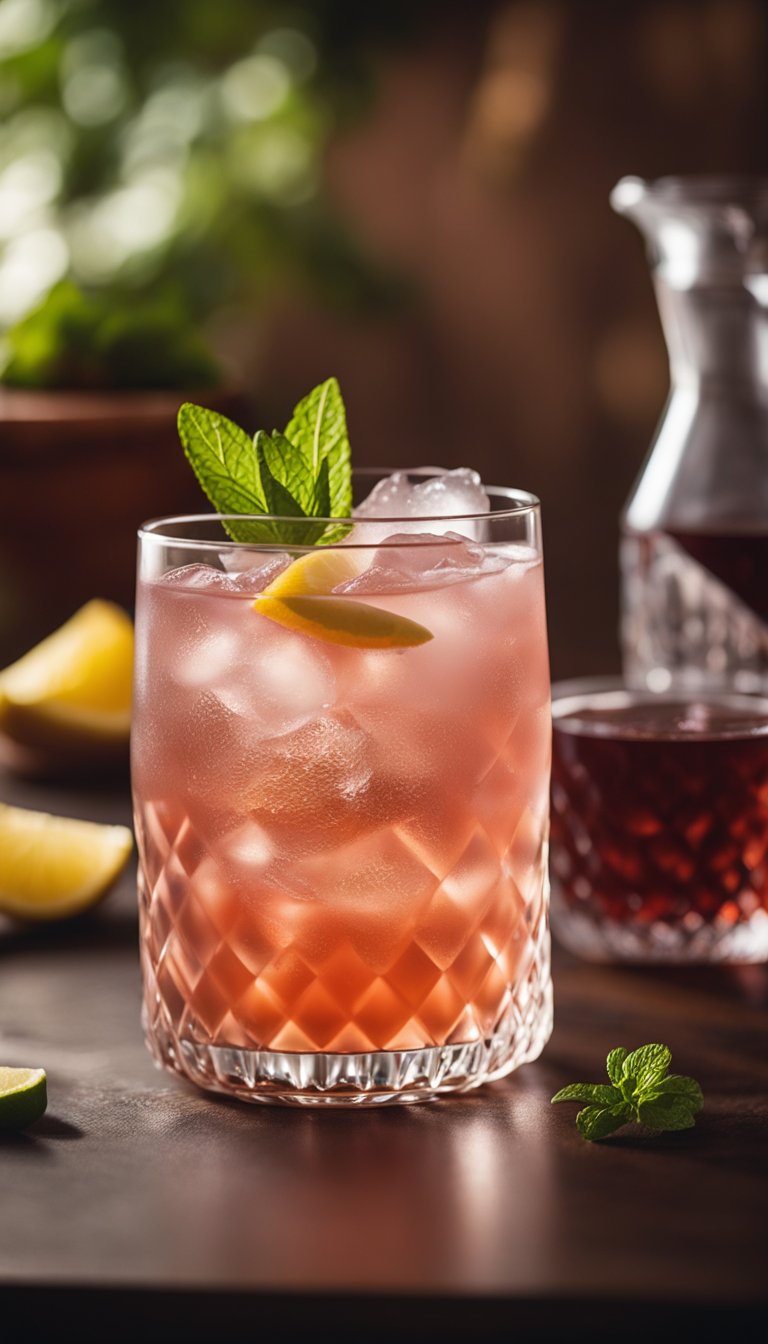
A Sips of Innovation Emerging Trends in the Alcohol-Free Spirit Market
Now that we’ve laid the foundation for understanding the alcohol-free spirit market’s current condition then let’s start looking towards the future. In this article in this section, we’ll be taking a deep look at the new trends that influence this EU and UK environment of alcohol-free spirits. Make sure you buckle your seatbelts as go on a journey of innovation, sustainability, and shifting consumer preferences.
The Innovation Center is where the spotlight should be
Beyond the Mocktail
The days of boring mocktails are over. Perhaps one of the most striking trends within the market for alcohol-free spirits is the relentless seeking of new ideas. Brands are pushing the limits of flavor profiles, using exotic botanicals, and using the most cutting-edge distillation techniques in order to make alcohol-free spirits that compete with their alcoholic counterparts.
Aromatic Complexity
To be the first to go are brands like “AromaCraft” or “InfiniFlavor,” known for their distinctive flavor profiles. From the smoky aroma of aged whiskey to the citrusy flavor of gin inspired spirits These brands showcase the art of alcohol-free spirit making.
The Invention of Limited Editions
Another exciting aspect of innovation is the emergence of limited-edition alcohol-free spirits. Brands are trying out special releases, collaborating with renowned mixologists, and even adding rare ingredients to make buzz-worthy offerings.
Sustainability and Eco-friendly Choices
From Field to Bottle
As people are more eco-conscious the concept of sustainability is now a important aspect of the alcohol-free spirit market. Companies are placing an intense emphasis on responsible sourcing of ingredients and packaging that is eco-friendly. “EcoSip” or “GreenHarvest” are two examples of businesses that have a strong commitment to sustainability. They are using organic and ethically-sourced ingredients as well as recyclable packaging.
Reducing Carbon Footprints
In the fight against carbon emissions, reducing footprints is a major goal. Certain brands are now adopting carbon neutral production processes, offsets for emissions and implementing eco sustainable methods. These actions are appreciated by consumers looking for products that align with their beliefs.
In order to meet the varied needs of the consumer
A Spectrum of Choices
One of the unique aspects of the alcohol-free spirit market is the ability adapt to a variety in consumer demands. There’s no longer an all-one-size-fits–all scenario. Brands understand that people have varying taste preferences and certain dietary restrictions.
Sugar-Free and Gluten-Free and more
Gluten-free sugar-free and allergen-free alcohol-free spirits are now widely available. Brands like “PureTaste” or “FreeFlow” are experts in the production of spirits that satisfy specific diet requirements, so that nobody is left out of the alcohol-free drinking experience.
As we surf the revolutionary waters and consider the sustainability of the alcohol-free spirit market, it’s evident that this sector is growing quickly in order to meet the demands of consumers. But the story doesn’t end here. In the next section we’ll dive into the consumer trends in behavior that are influencing the course that this industry is on. Be prepared to navigate the myriad of choices consumers make and their preferences.
Exceptional Spirits, Directly to You: Choose Swedish Distillers for Bulk Non-Alcoholic Orders!
Knowing Consumer Behavior and Preferences: Consumer Preferences and Trends
In our journey through the constantly evolving landscape of alcohol free spirits, you’ve seen the marketplace’s current state as well as marveled at the ingenuous strategies. Now, we’re ready to turn our attention to one of the major factors driving this shift in the industry: consumer behavior. Knowing what consumers want and how they make choices is pivotal for brands looking to succeed within the EU and UK alcohol-free spirit market.
The Multifaceted Consumer
The Health-Conscious Consumer
One of the most pronounced changes in the behavior of consumers is the rise in health-consciousness. A growing number of consumers prefer alcohol-free spirits as a way to enjoy the joy of a cocktail but without the negative health consequences of alcohol. They value wellbeing for their physical and mental well-being. They are usually drawn to spirits that are made from organic ingredients and health benefits.
The Culinary Explorer
The market for alcohol-free spirits is also attracting culinary experts who appreciate mixing the art of mixing. They are searching for unique flavor profiles and unique botanical blends that enhance their drinking experience. For them, alcohol-free spirits are an ideal canvas for creative cocktails.
A Social Connector
Humans, as social beings, have an innate desire to interact with others. Alcohol-free spirits have found an exclusive place in the group of people that want to take part of social gatherings, but without alcohol’s influence. This category is concerned with the social aspect of drinking, as well as the ability to enjoy sophisticated drinks without hangover.
Consumer Behavior Trends
The Online Discovery Program and Purchasing
The digital era has revolutionized the way consumers discover and purchase alcohol-free spirits. Online platforms, ranging from e-commerce websites or social channels, can play an important factor in influencing consumers’ choices. Companies that make use of online channels for marketing and sells are more likely to succeed.
Transparency and Authenticity
Consumers want accountability from businesses. They want to know where ingredients come from what they’re made of, how it’s done, and the values the company’s values are. A commitment to authenticity and sustainability resonate strongly with the modern day consumer.
The Role of Reviews as well as Recommendations
Reviews and recommendations, from friends or online influencers, have significant weight in the alcohol-free spirit market. Positive testimonials and expert endorsements are able to influence consumers’ choices. Brands should be actively engaging with their customers and solicit honest feedback.
Sustainability as a Key Driver
Sustainability is now no longer just a niche topic becoming a standard driver of consumer behavior. Companies that employ eco-friendly practices and display social responsibility are in a position to attract customers who are aligned with these ideals.
What’s In Store
As we navigate the complex ocean of trends in consumer behavior we can see that the market for alcohol-free spirits doesn’t only revolve around what’s in the bottle but also regarding the values and experiences it embodies. In the following section we’ll explore how strategies and techniques that brands use to meet various consumer demands. Be ready to learn the strategies propelling brands to the forefront of this thriving industry.
Strategies for Creating Success: Strategies for Brands that are Alcohol-Free
In the ever-changing landscape of alcohol-free spirits, brands are creating winning stories by studying consumer behaviour and leveraging emerging trends. With consumers looking for higher-quality, less sluggish, and more socially-connected alternatives, brands that are alcohol-free must take the proper steps to be noticed from the competition. In this section we’ll explore the strategies that brands with success are using as well as guiding you down a way to success in the EU and UK alcohol-free spirit market.
Strategy 1: Diverse Flavor Profiles
Bold and Diverse Botanicals
Top brands have been investing their money in the development of sophisticated flavor profiles that meet a variety of flavors. They’re using a wide array of plant extracts, each selected due to their unique contribution the overall taste experience. This makes sure that people can discover alcohol-free spirits that match their taste and preferences, whether it’s fruity and refreshing or a bit rich and spicy.
Limit Editions, and seasonal Releases
The intriguing limited editions and seasonal releases spark anticipation and excitement among consumers. Special releases may showcase inventive flavor combinations or showcase the season’s ingredients, giving reasons for customers to experience something new.
Strategy 2 Mixology and Collaborations
Collaborations with Mixologists
Collaboration with renowned mixologists can be a great strategy for companies. Mixologists can make signature cocktails and recipes that emphasize the distinctive flavours of alcohol-free spirits. Their knowledge and experience adds credibility to the brand and opens new avenues for creative mixology.
Cocktail Recipe Collections
A number of alcohol-free spirits that are successful offer consumers cocktail recipe collections. The collections encourage people to think outside the box and allow them to experiment with various mixers, garnishes, and different styles of presentation. Sharing these recipes through websites and social networks increases the brand’s engagement.
Strategy 3: Sustainable and Eco-Friendly Techniques
Sustainable Sourcing
Many brands are adopting more sustainable practices, from purchasing ecologically-sourced plants to lessening their carbon footprint. Consumers are drawn to brands that prioritize environmental responsibility which makes sustainability a crucial selling element.
Eco-friendly Packaging
Eco-friendly packaging is yet another trend which is popular with environmentally conscious consumers. Brands are looking into innovative packages that’s biodegradable, recyclable, or even reusable. Attractive, eco-friendly packaging can differentiate a brand from the rest from the competition and also in consumers’ minds.
4. Strategy: Engaging with Communities
Online Communities
Successful brands have online communities for consumers to communicate, share their experiences, and share ideas. These communities provide a platform for drinkers to discuss recipes reviews, as well as innovative ways to make use of alcohol-free spirit.
Customer Feedback, Iteration and
Brands constantly seek out and respond to feedback from customers. This process of feedback allows companies to enhance their products taste, their flavors, as well as their marketing strategies using real-world information. It also demonstrates a commitment towards satisfying the needs of consumers.
Strategy 5: Innovative Marketing
Stories and brand values
Effective storytelling allows brands to engage with consumers on higher level. Brands are sharing their roots, values, and their commitment to sustainability and wellness. They employ storytelling to express their personality and authenticity as a brand.
Partnering with Influencers
Collaborations between influencers who align with the brand’s ideals and intended audience can enhance a brand’s reach. Influencers usually create captivating material that showcases a brand’s products in lifestyle contexts.
What’s Next
As we uncover the strategies that are behind the success of the non-alcoholic spirit market, it’s time for the final section of our research and a peek into the future. In the next part we’ll examine the crystal ball and examine the forecasts and trends which will likely shape how the EU and UK market for alcohol-free spirits over the years ahead.

The future of alcohol-free Spirits Forecasts and Trends
As we wrap up our journey into the realm of spirits that are alcohol free, we look to the future, and explore some of the most exciting trends and predictions expected to alter and transform the EU and UK alcohol-free spirit market in the coming years. The journey has been enlightening that has taken us through numerous aspects of this burgeoning industry from its beginnings all the way to the strategies that leading brands are employing for success. Let’s begin an exploration that is forward-looking.
The alcohol-free spirit revolution Continues
New Formulations
The market for alcohol-free spirits will have a surge in new formulations. Brands will push the boundaries by experimenting with exotic botanicals along with new flavors and imaginative methods to duplicate the complexity and depth of alcohol-based spirits. Expect spirits that go against the established rules and excite the taste buds.
Health and Wellness Integration
The increasing interest of consumers in health and wellness will drive the creation of alcohol-free spirits which provide functional benefits. Brands will infuse their product through adaptogens as well as vitamins, and other health-promoting ingredients. These spirits won’t just be a viable alternative to drinking alcohol, but also provide consumers who want drinks that boost their overall health.
Personalized Experiences
Personalization will be the main aspect. Brands will take advantage of technology to create customized alcohol-free spirit experiences. From customized flavor profiles to online cocktail suggestions, consumers will have more control over their drinks than ever before.
Sustainability takes center stage
Circular Economy practices
Sustainability will continue to be a major area of focus. Brands will follow circular economic practices, making sure that production processes do not create waste and environmental impact. Production, sourcing, and packaging will be created with sustainability in mind. They will also appeal to eco-conscious buyers.
Carbon-Neutral Spirits
Brands are committed to achieving carbon neutrality. This means that they will offset carbon emissions generated by every phase of the life cycle of an item. Carbon-neutral spirits are a popular choice for consumers concerned about climate change and conserving the environment.
The Rise of E-Commerce and DTC Models
Direct-to-Consumer (DTC) Dominance
E-commerce and DTC models will continue to grow. Spirit brands that are alcohol-free will invest in user-friendly platforms on the internet, which make it easier for consumers to locate, buy and interact with their products directly. The convenience of DTC shopping will help drive market growth.
Virtual Tastes and Experiences
Virtual tastings and immersive online experiences are expected to become the norm. Brands will hold virtual events that allow customers to sample their offerings from within the privacy of their homes. These events will strengthen consumer connections and foster brand loyalty.
Revisions to the Regulation and Acceptance
Clearer Labeling Standards
Regulators will create clearer labeling standards for alcohol-free spirits. This will enhance transparency, helping consumers make informed choices. Standardized terminology will cut down on confusion surrounding alcohol content.
A Wider Adaption
Alcohol-free spirits will see greater acceptance in bars, restaurants and social spaces. Mixologists will incorporate them into their menus, offering more non-alcoholic cocktails. The stigma that comes with abstaining drinking alcohol will go away.
A Review of Our Journey
When we’ve brought our exploration in the EU and UK market for alcohol-free spirits to an end, let’s take a moment for a recap of the interesting experience we’ve enjoyed:
-
Understand the Market It began by gaining a comprehensive understanding of the alcohol-free spirit market along with its history and its rapid expansion.
-
Crafting Success Strategies Then we delved into the strategies used by successful brands, which include the variety of flavor profiles, collaborations on sustainability, engagement with communities and a creative approach to marketing.
-
The Future Is Ahead: In this section, we’ve gazed to the future through the prism of crystal, and explored the upcoming trends and predictions which will define the future of this ever-changing business.
In conclusion in conclusion, in conclusion, the EU as well as the UK liquor-free market are on an upward trend, driven by the latest innovations, sustainability, and evolving consumer preferences. Brands that are able to embrace these trends and adapt to a changing environment are well-positioned to be successful in this dynamic market.
Thank you for being a part of us with us on our journey. When we begin to look toward tomorrow’s alcohol-free beverages let your glasses be filled with the unlimited possibilities that this industry offers.